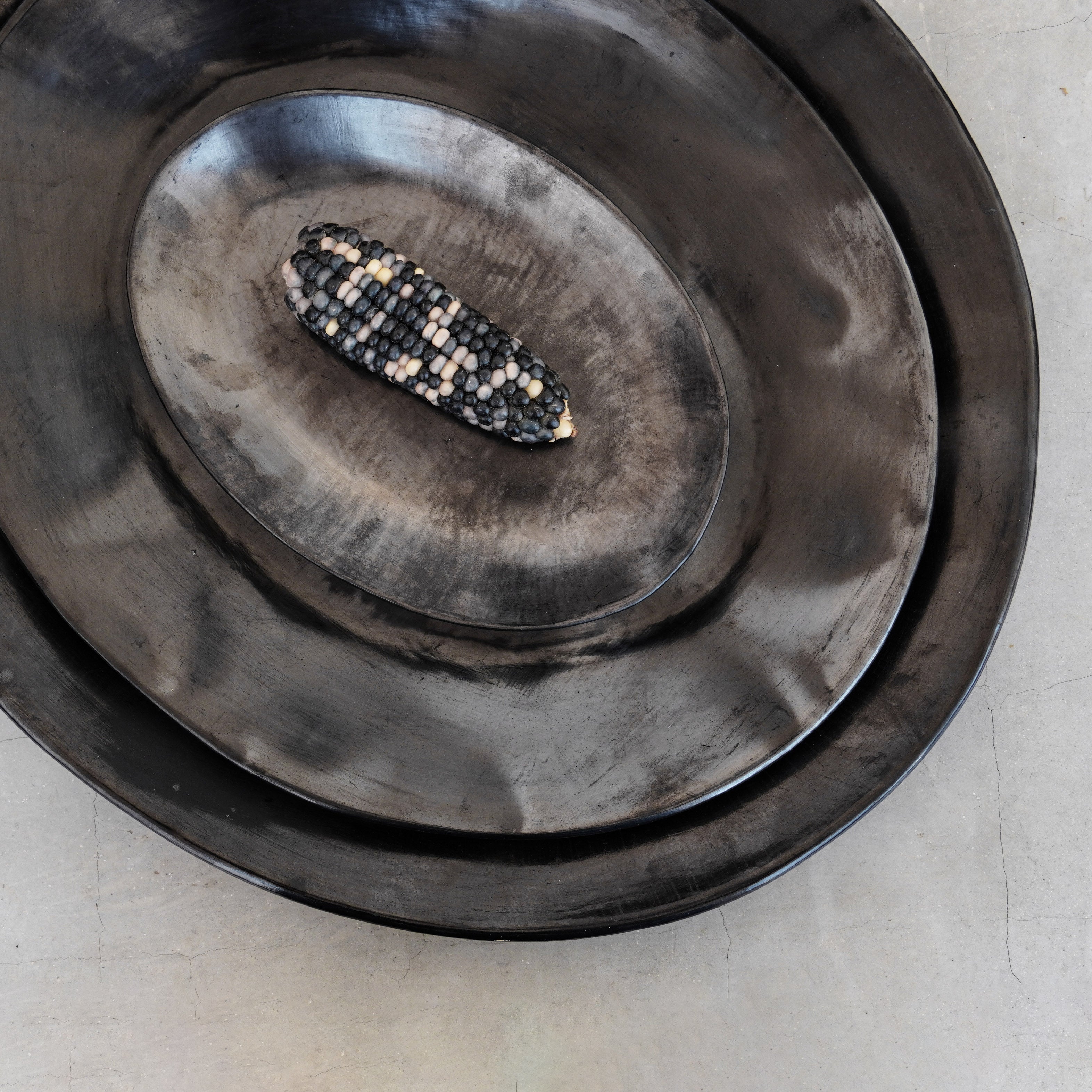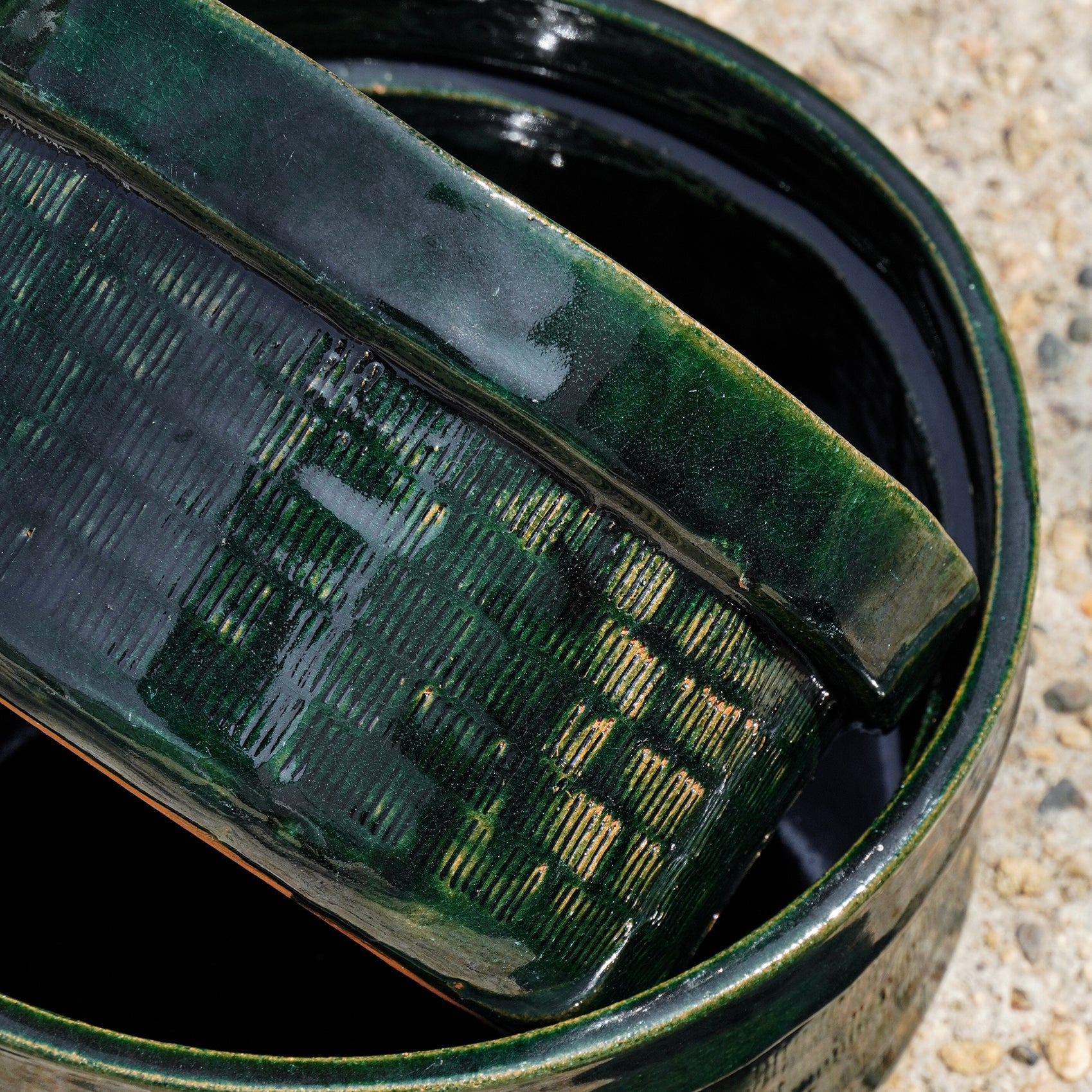
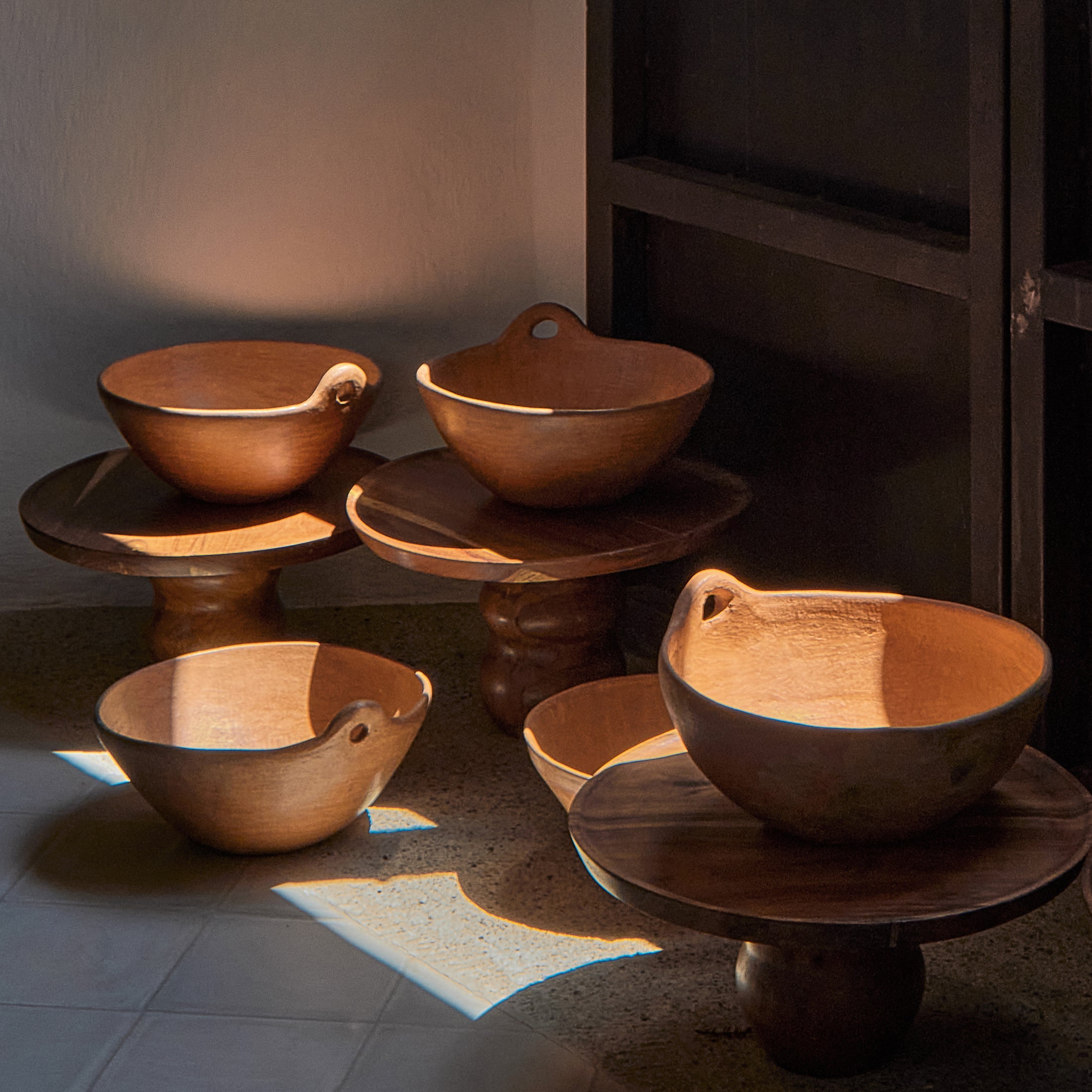
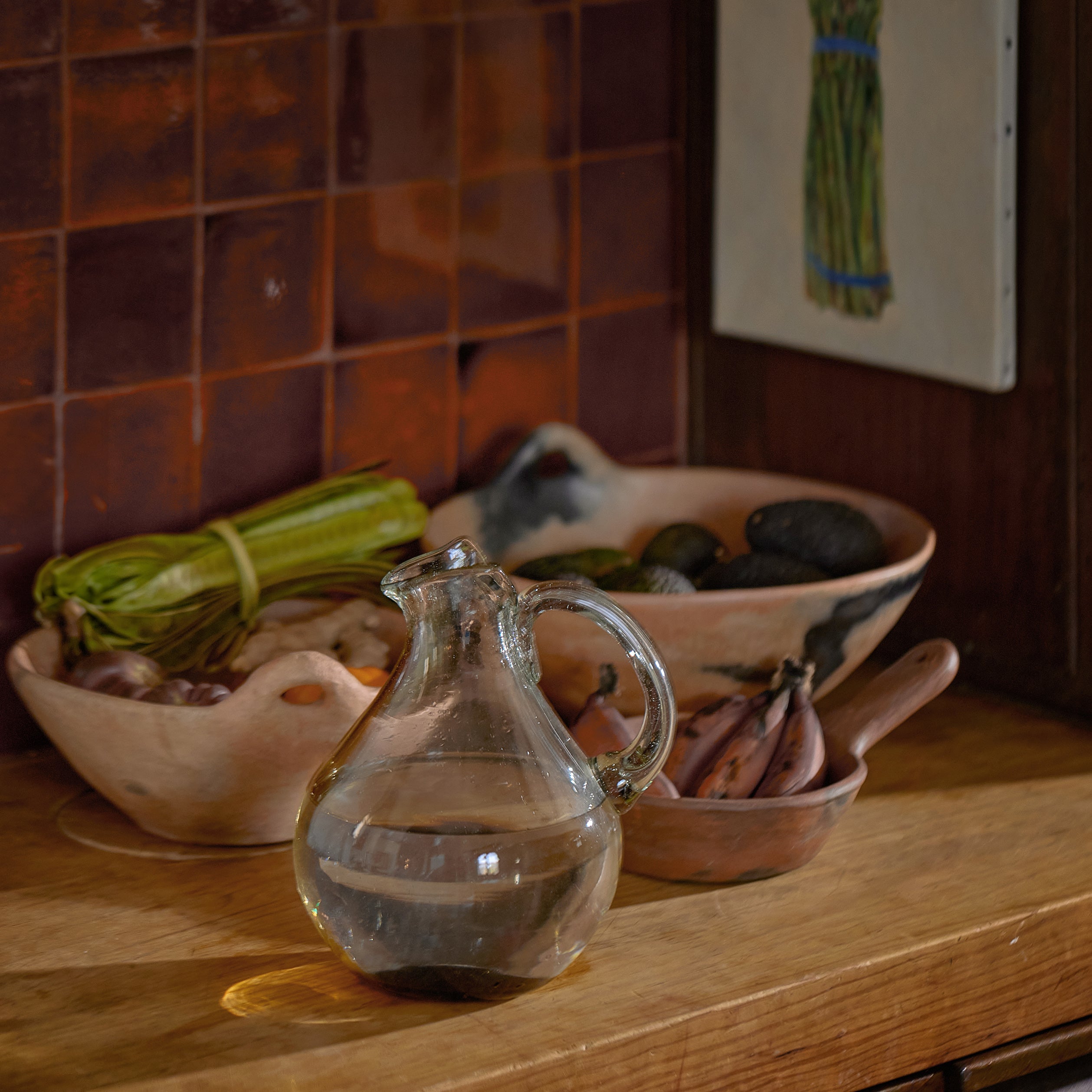
Oaxaca is home to Oax-i-fornia, and where this collection begins. Most pieces come from the state; a few from elsewhere in Mexico, but all come from traditions where making and use are still inseparable. Utilitarian by nature, beautiful by necessity, they are objects made for daily life.
Complimentary shipping on purchases over $200.

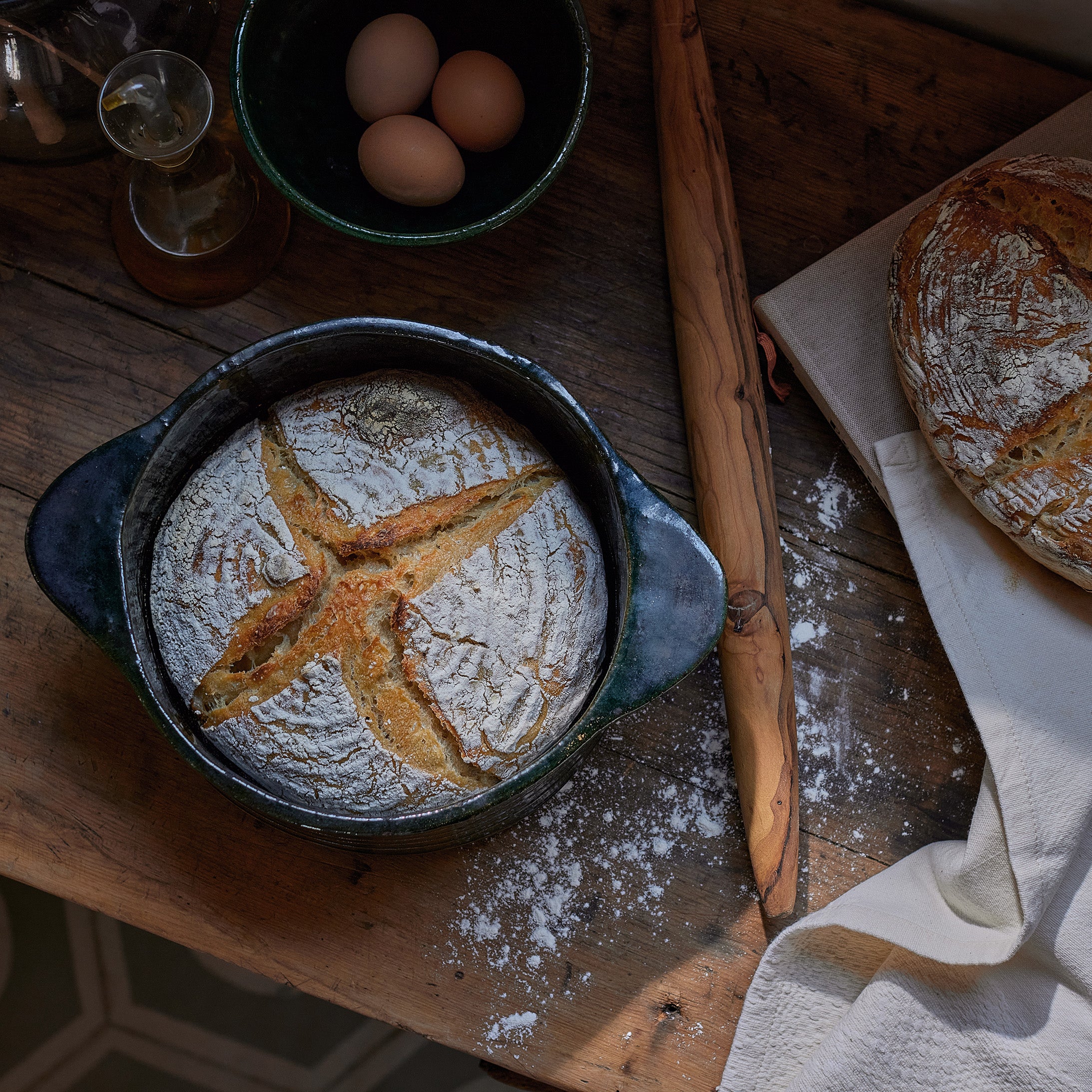
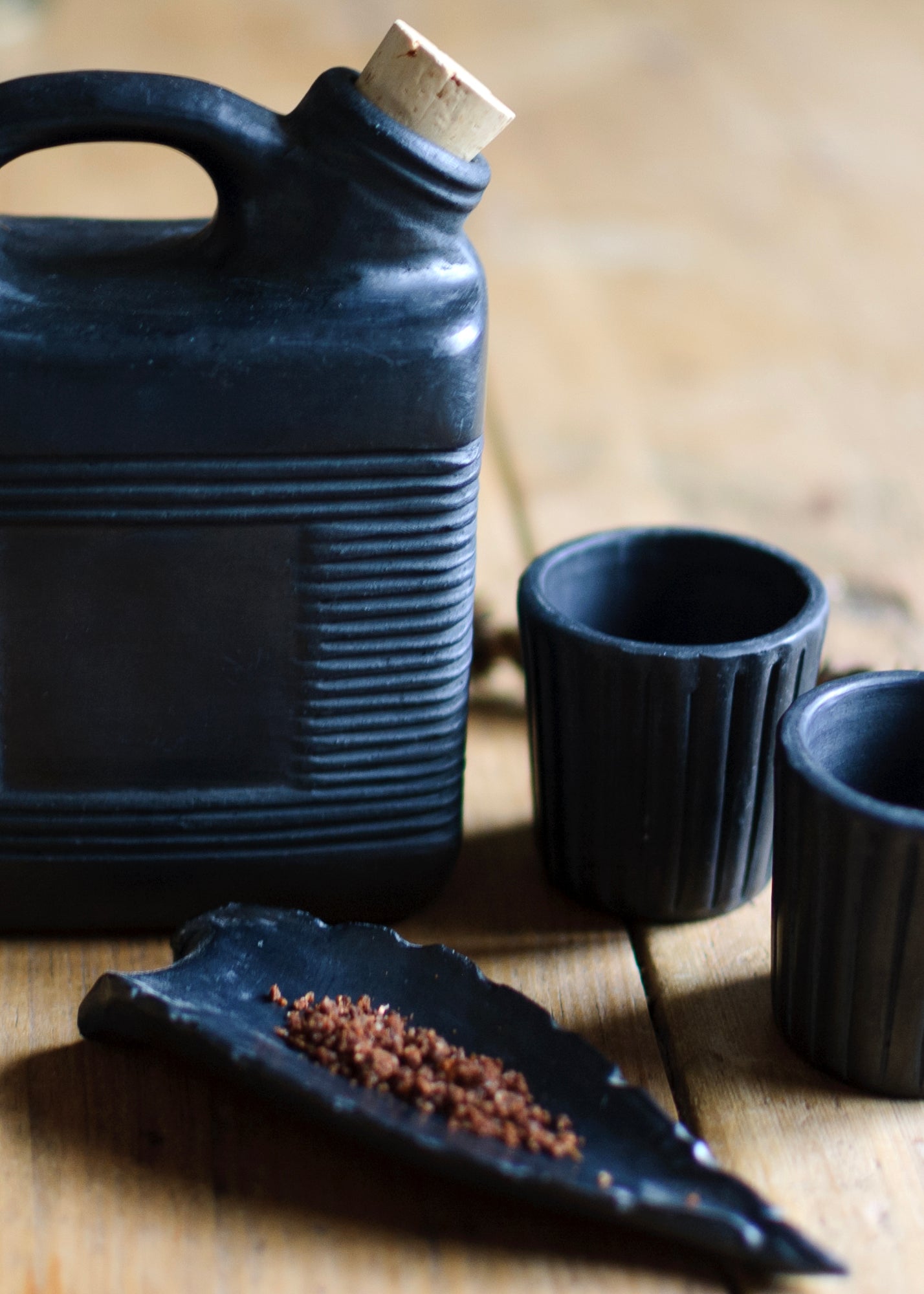
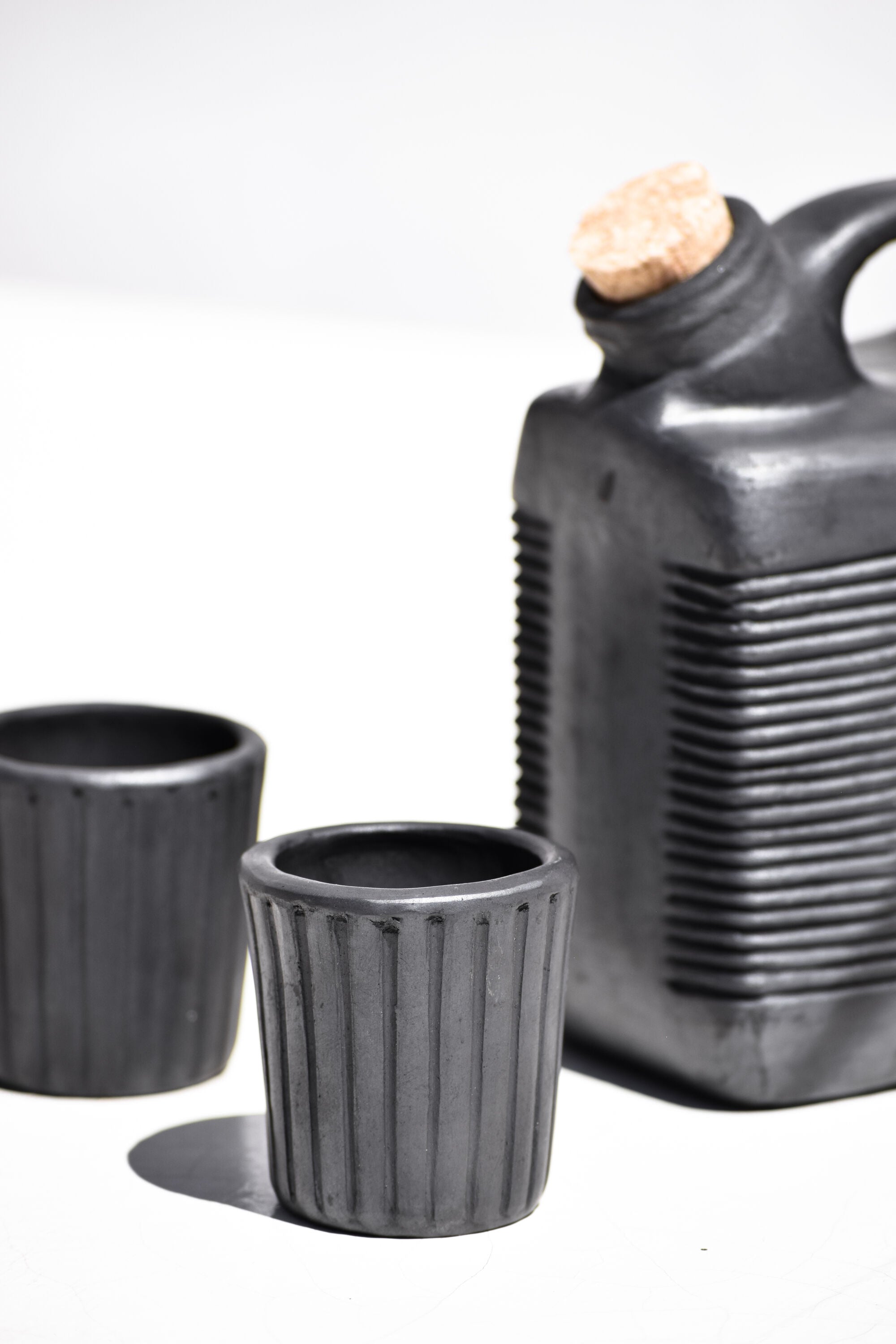
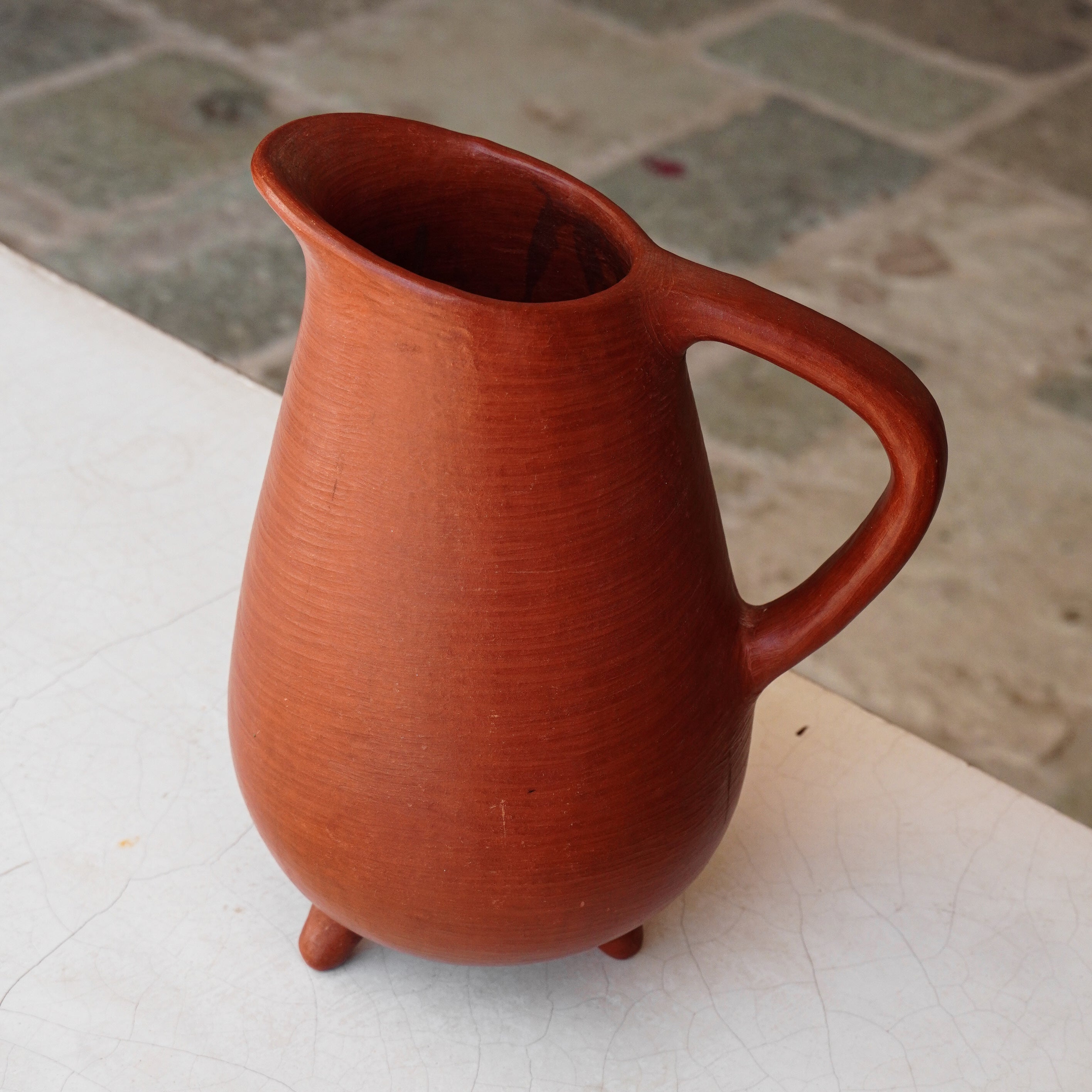
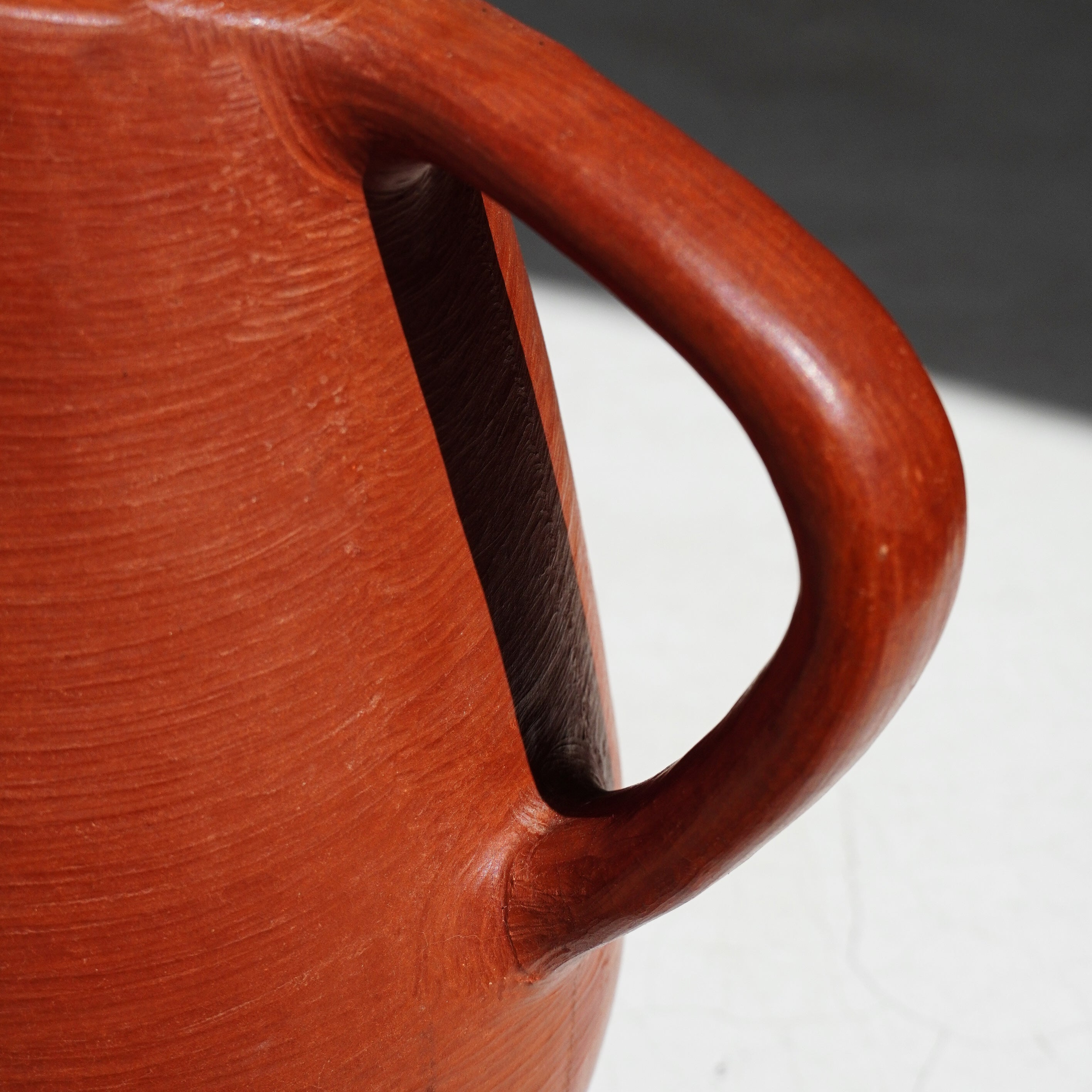
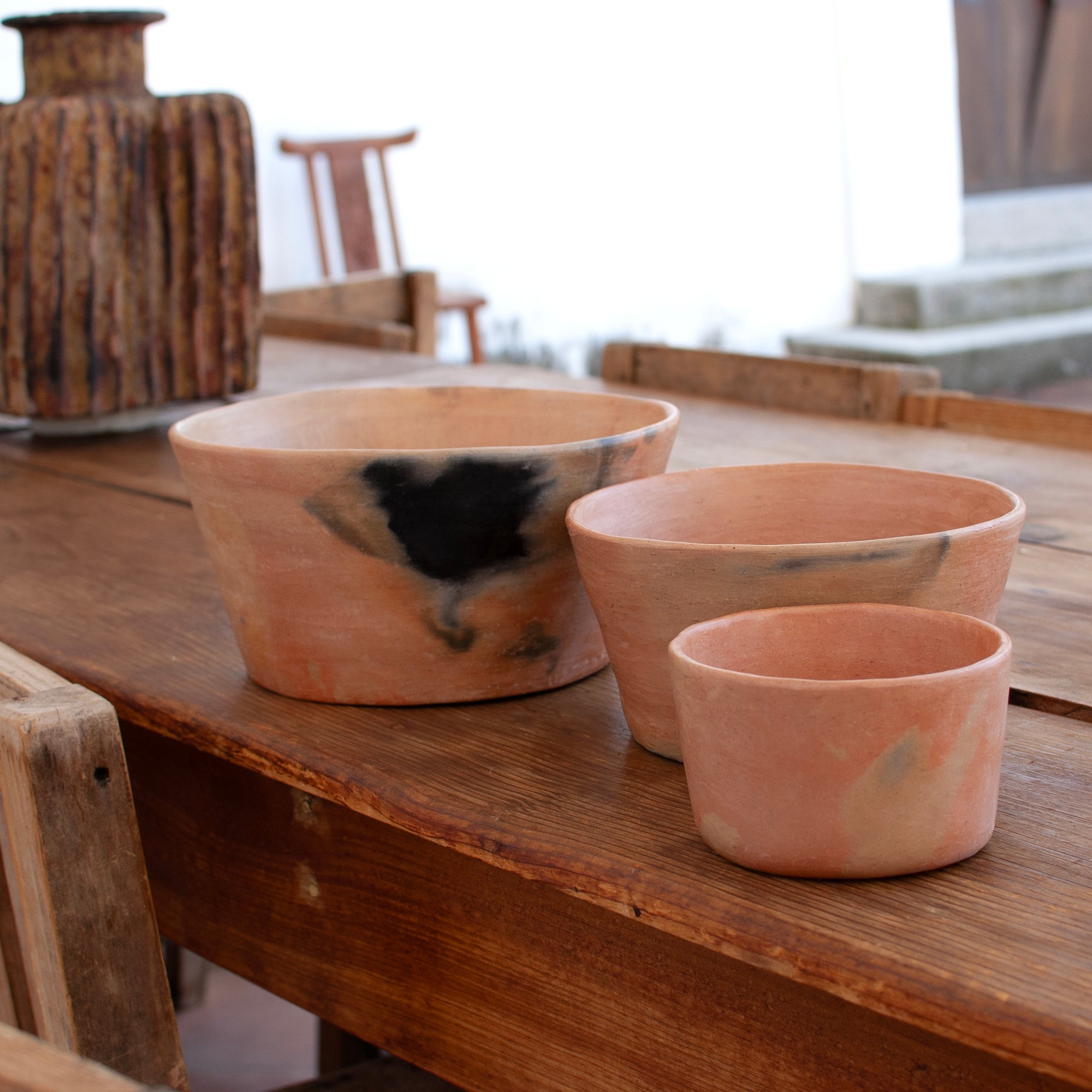
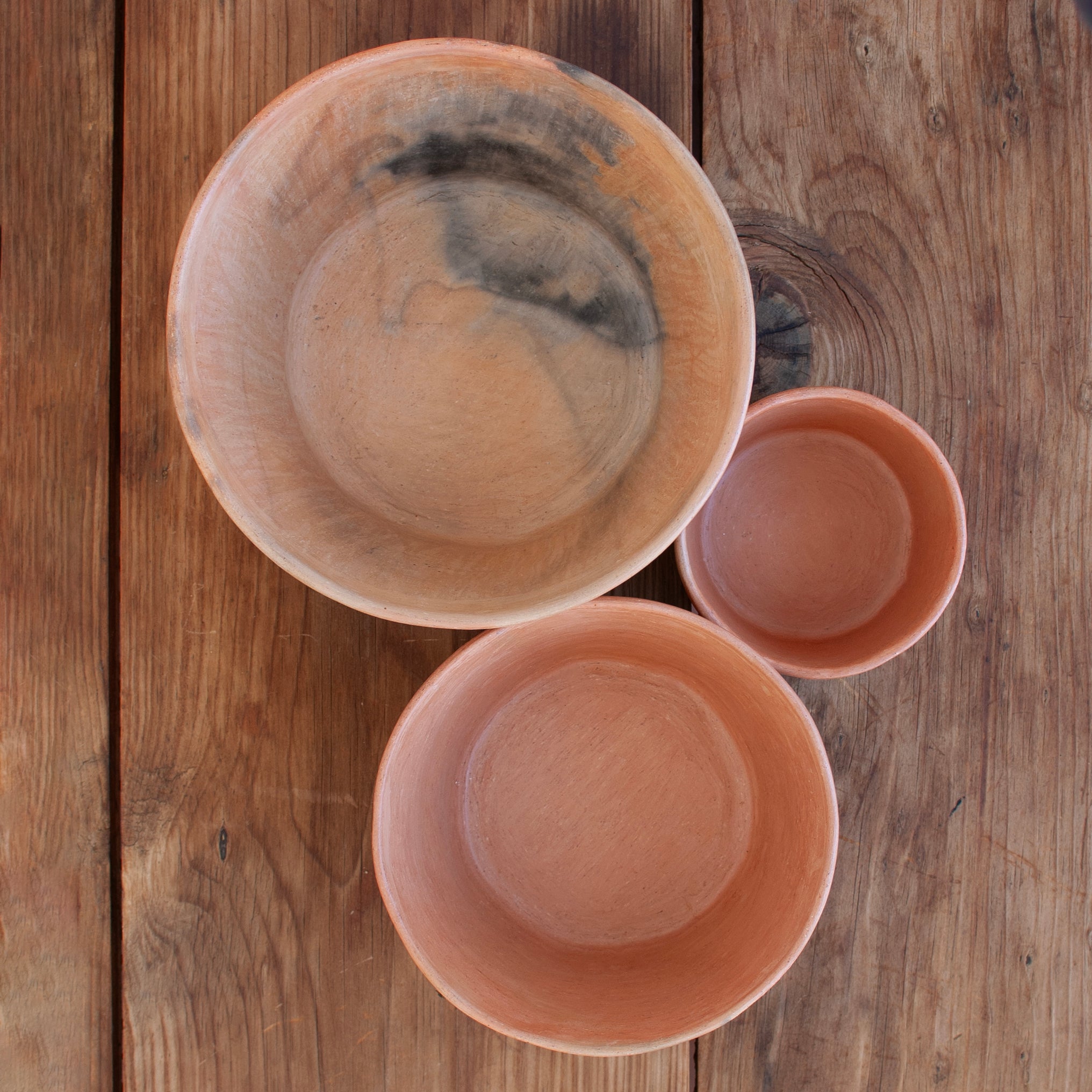
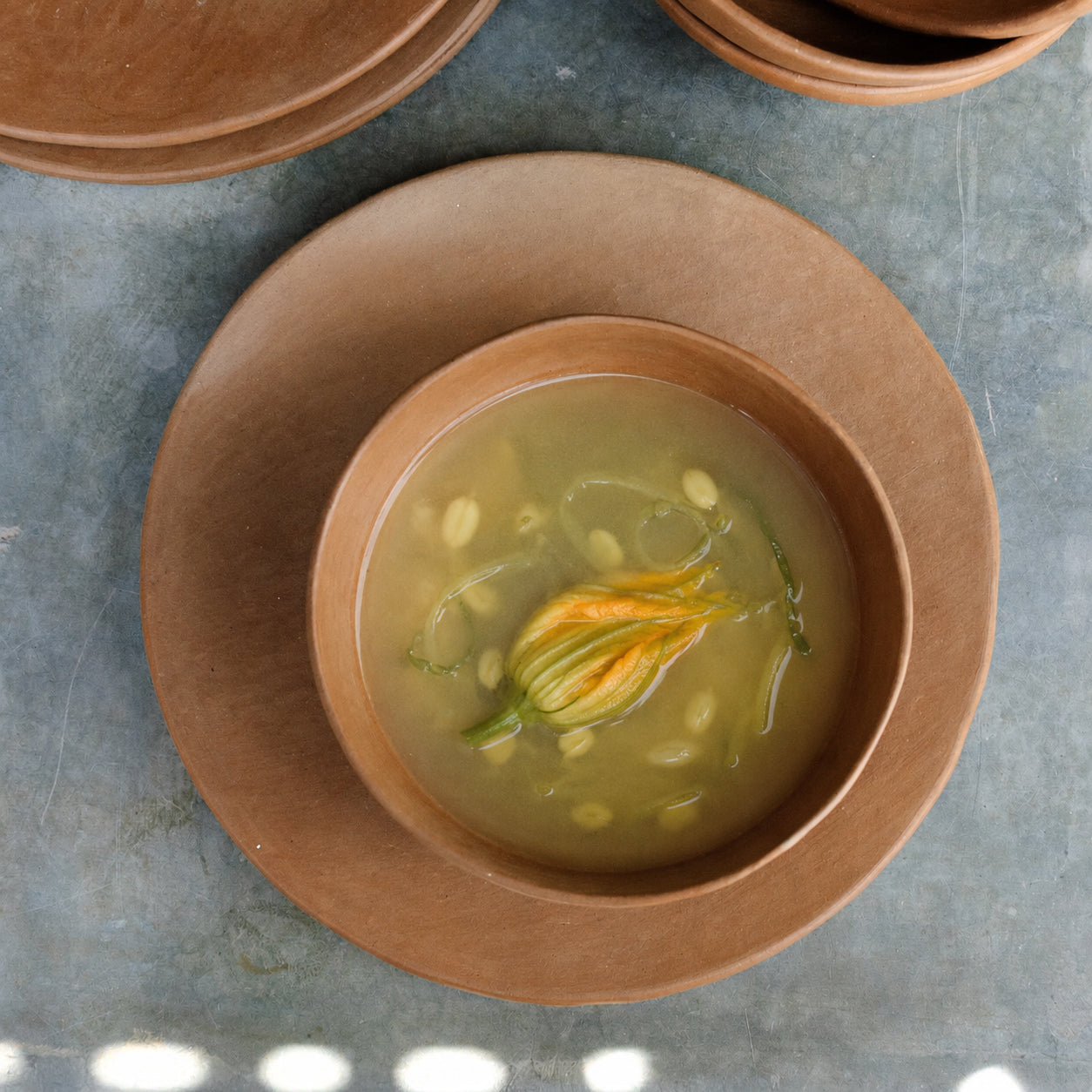
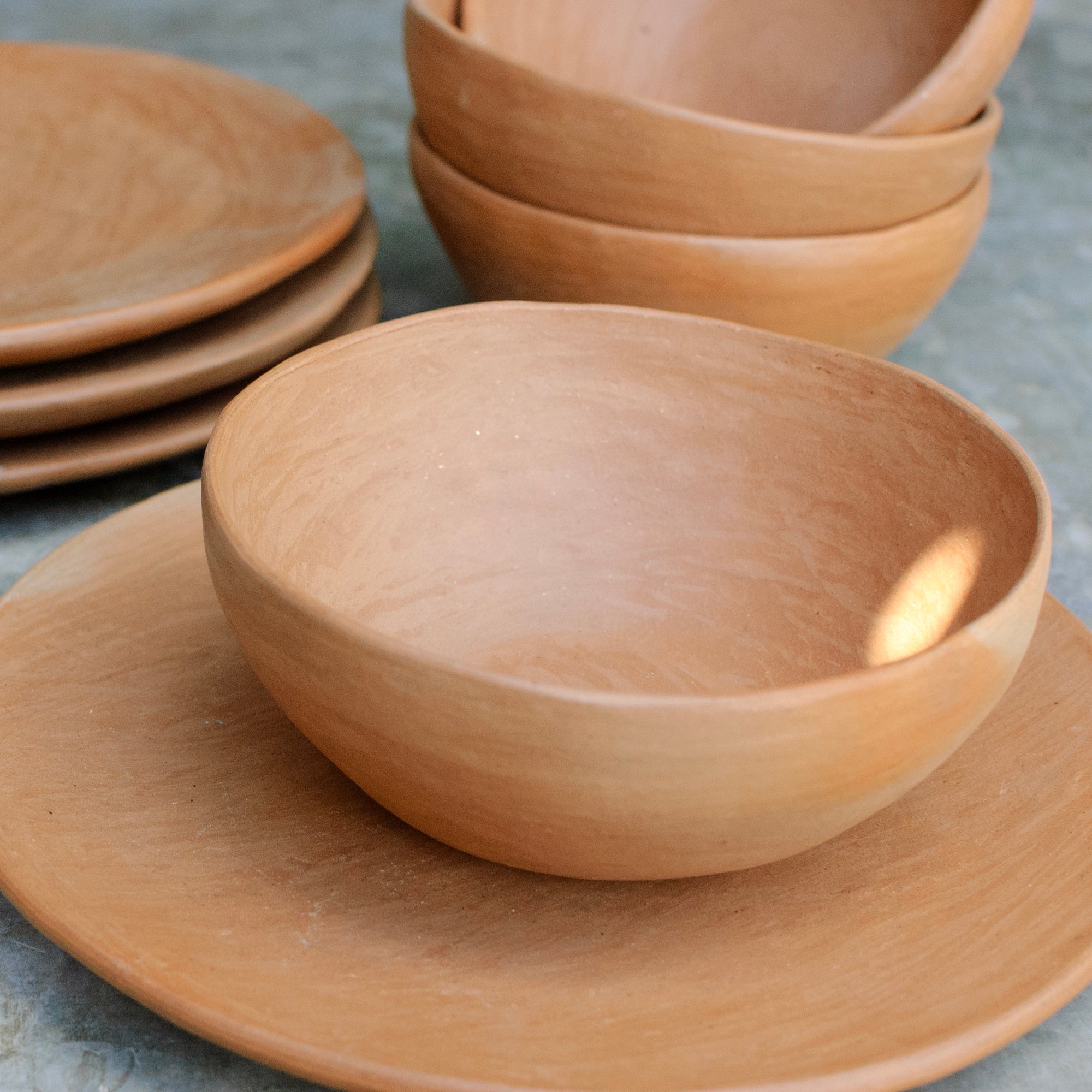
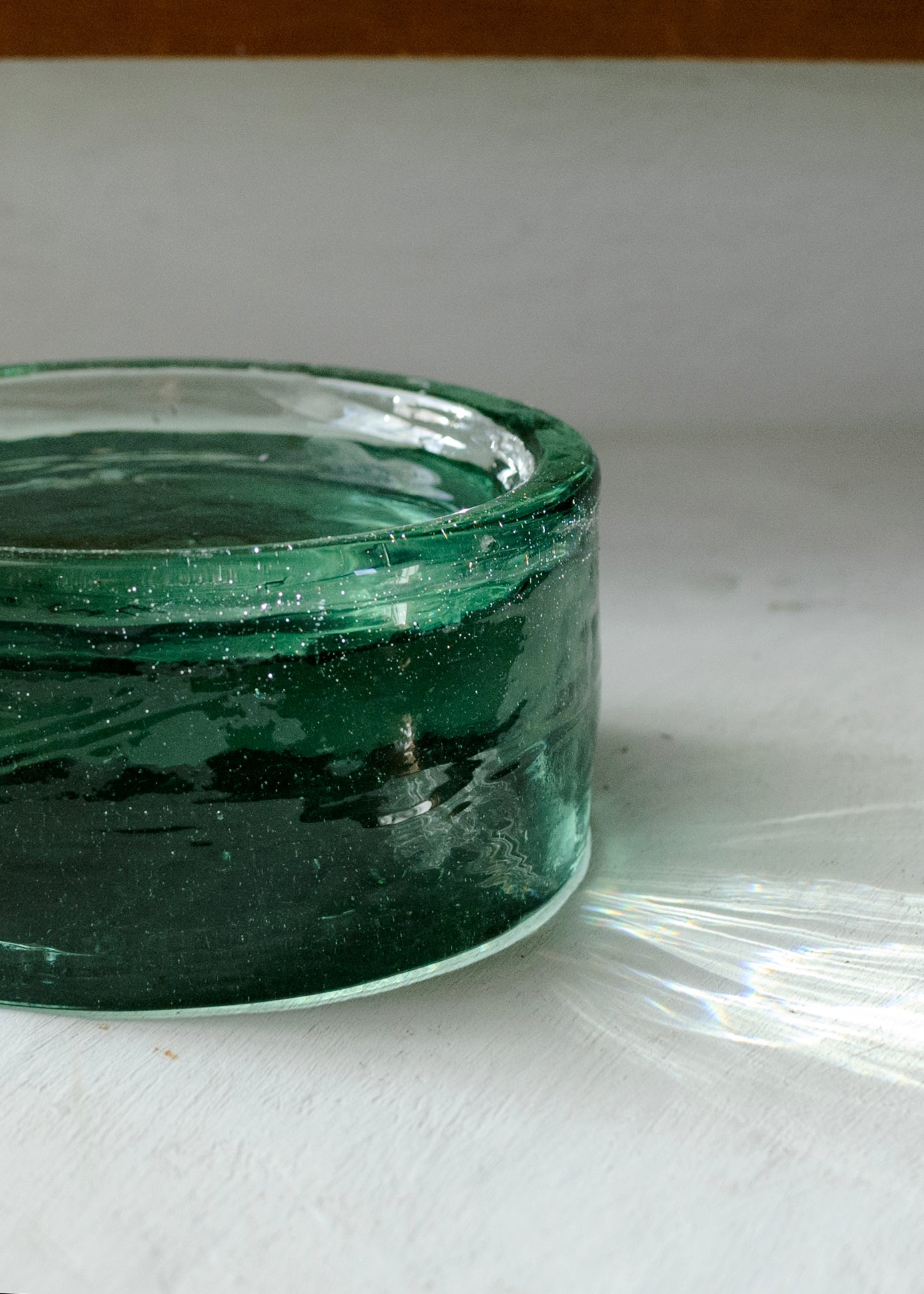
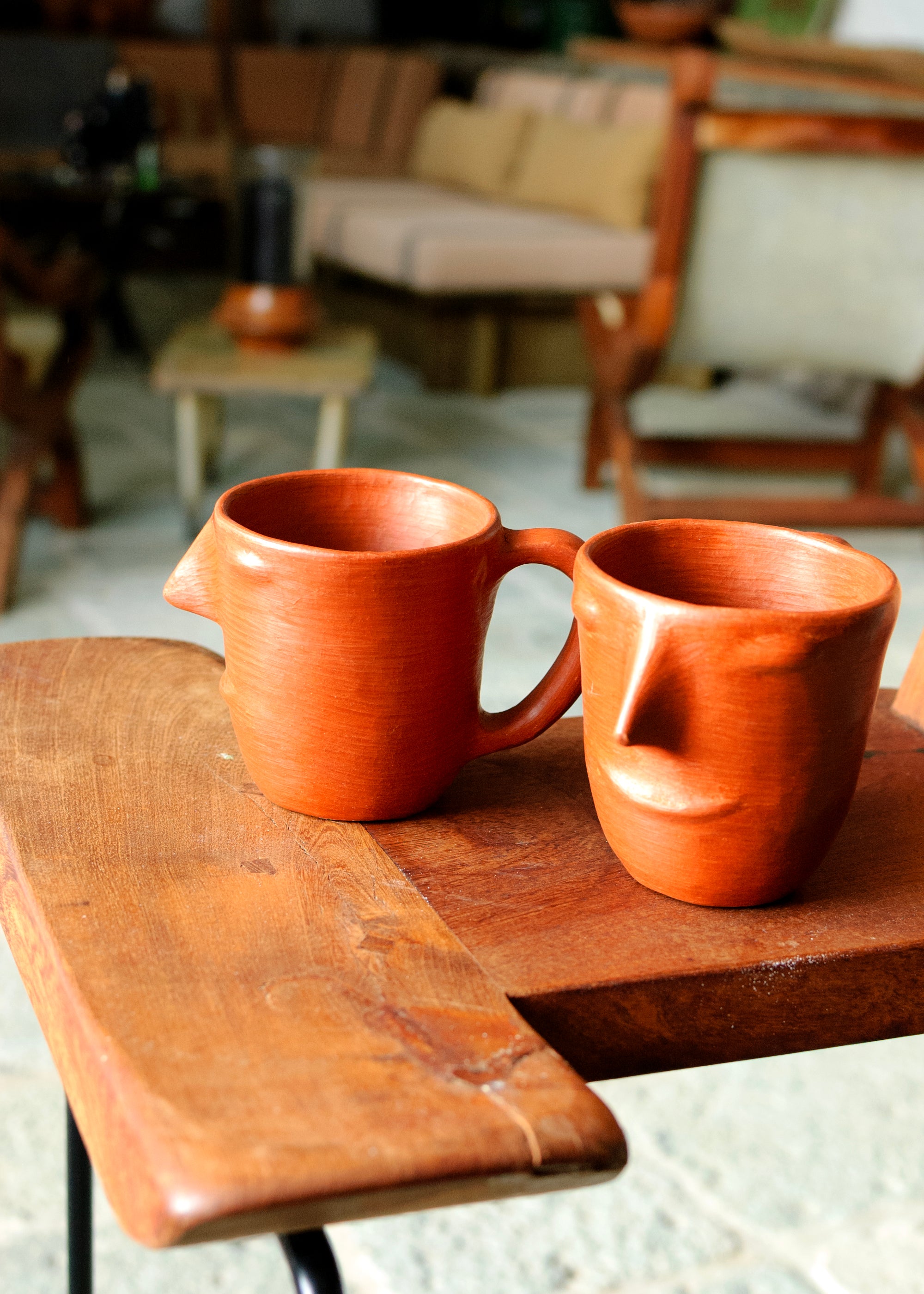
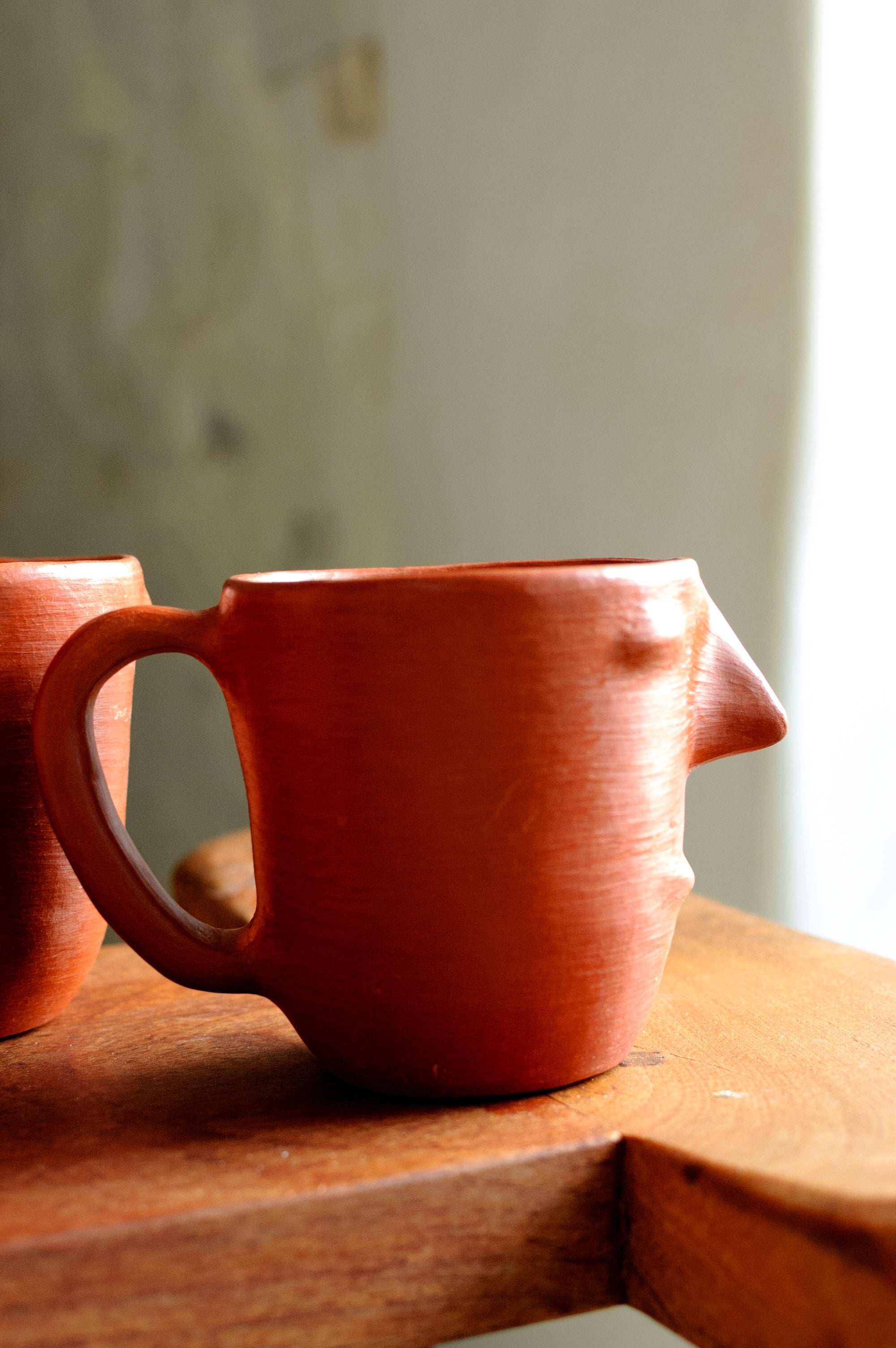
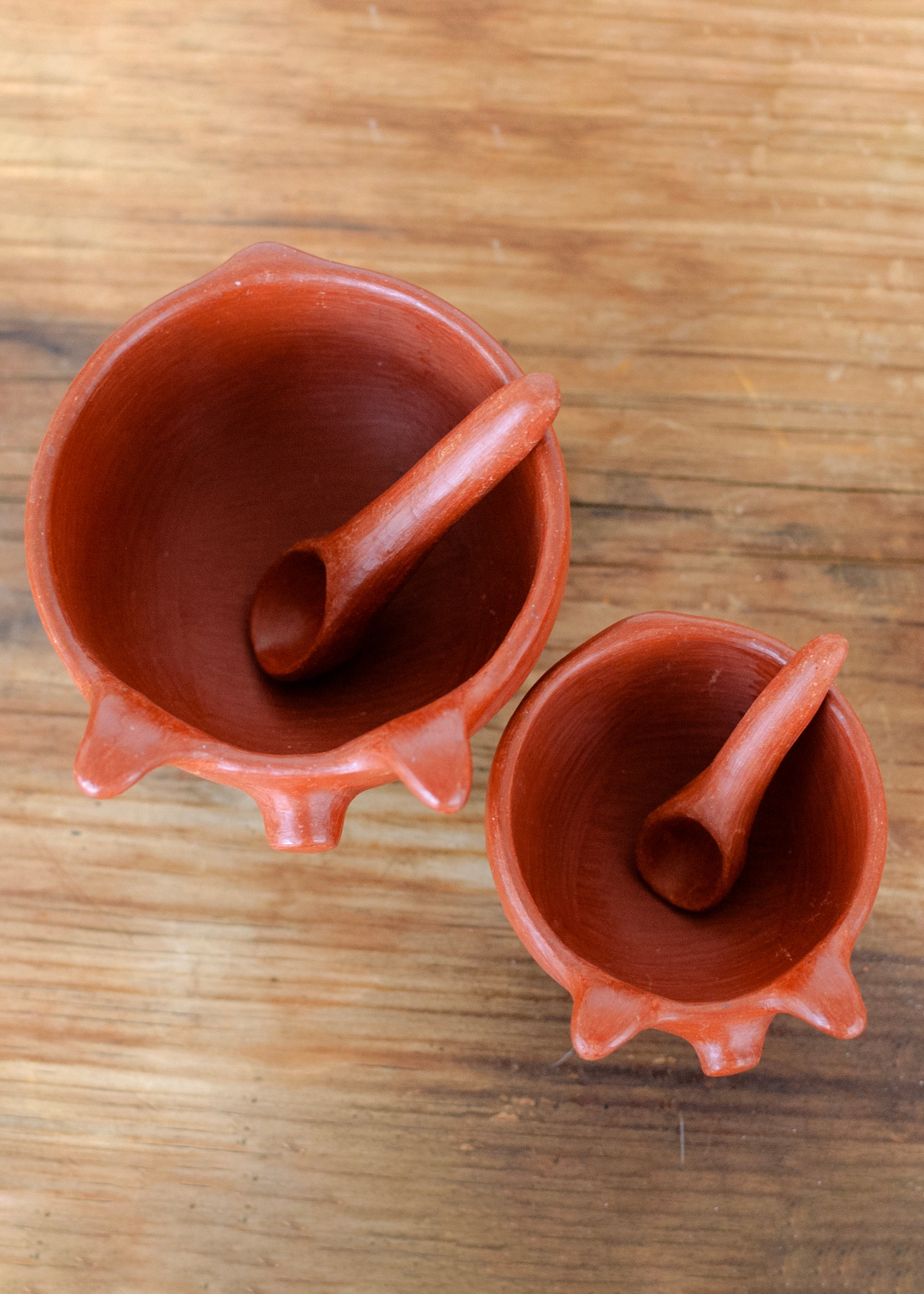
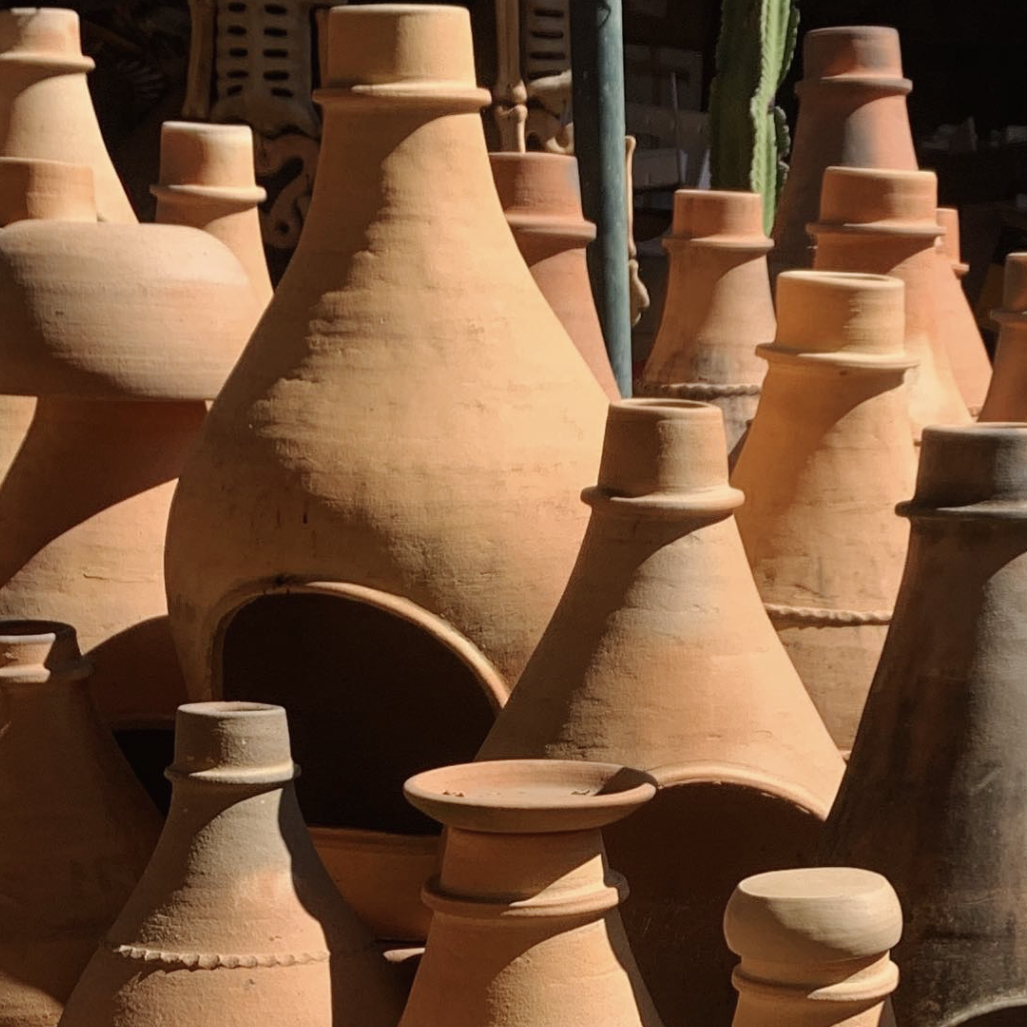
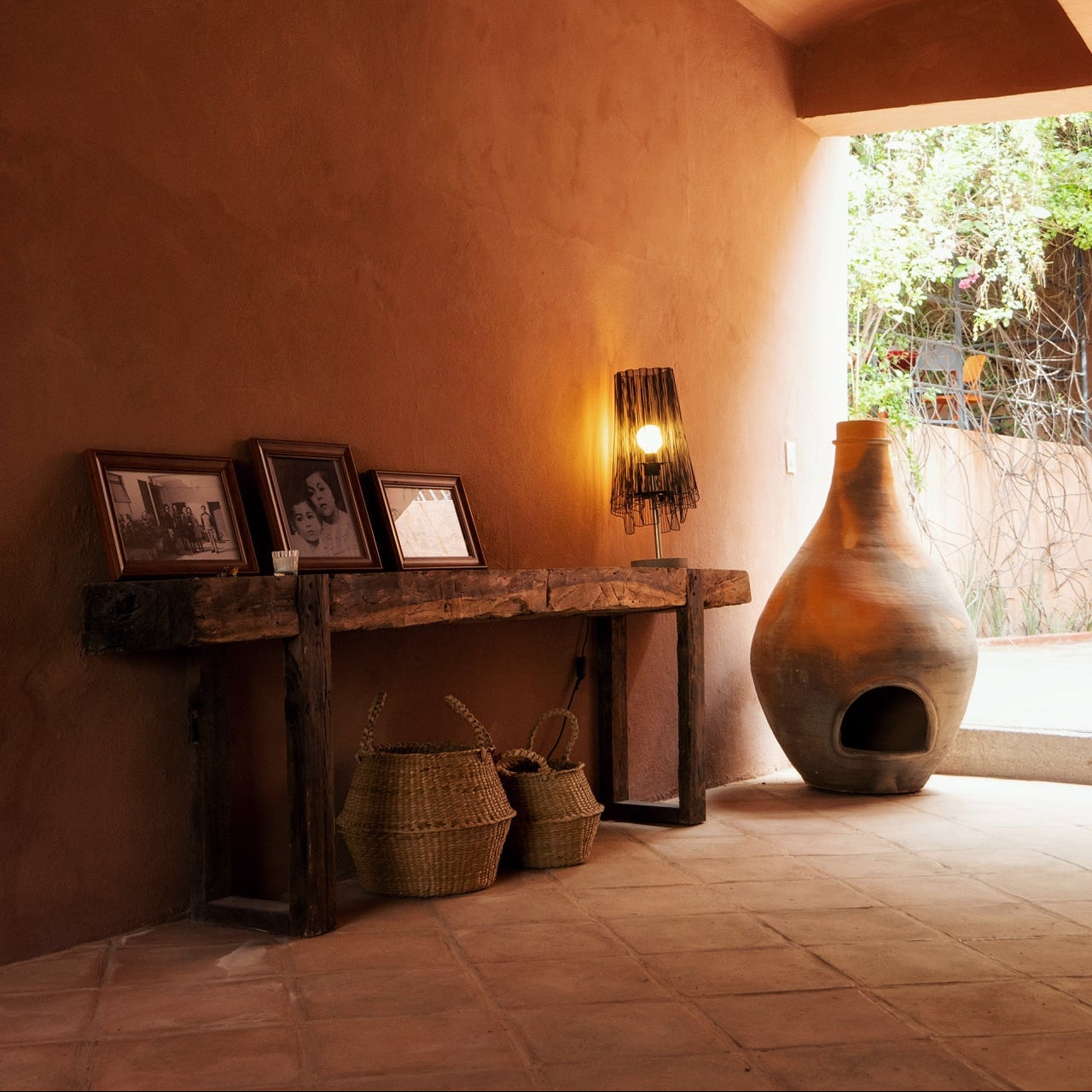
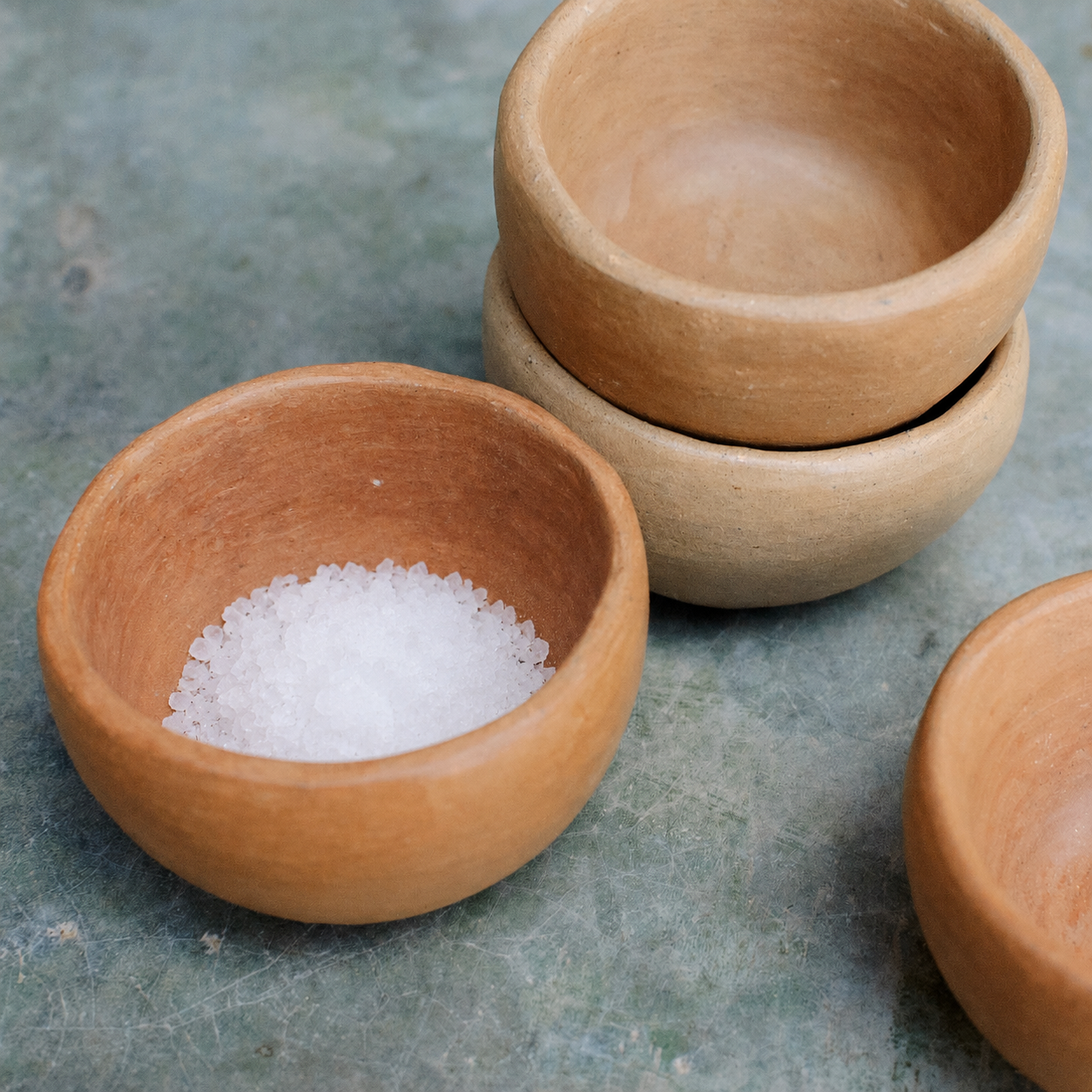
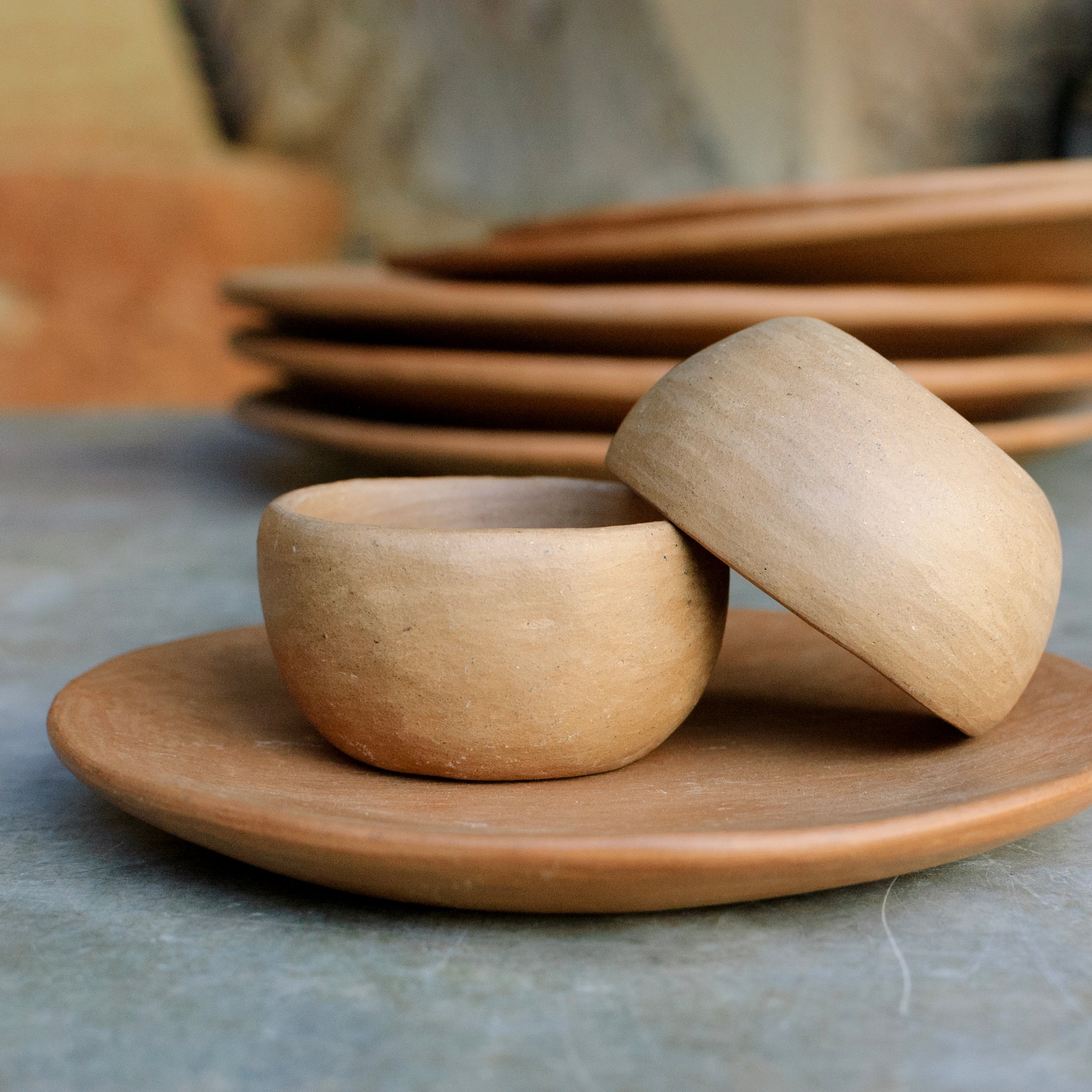
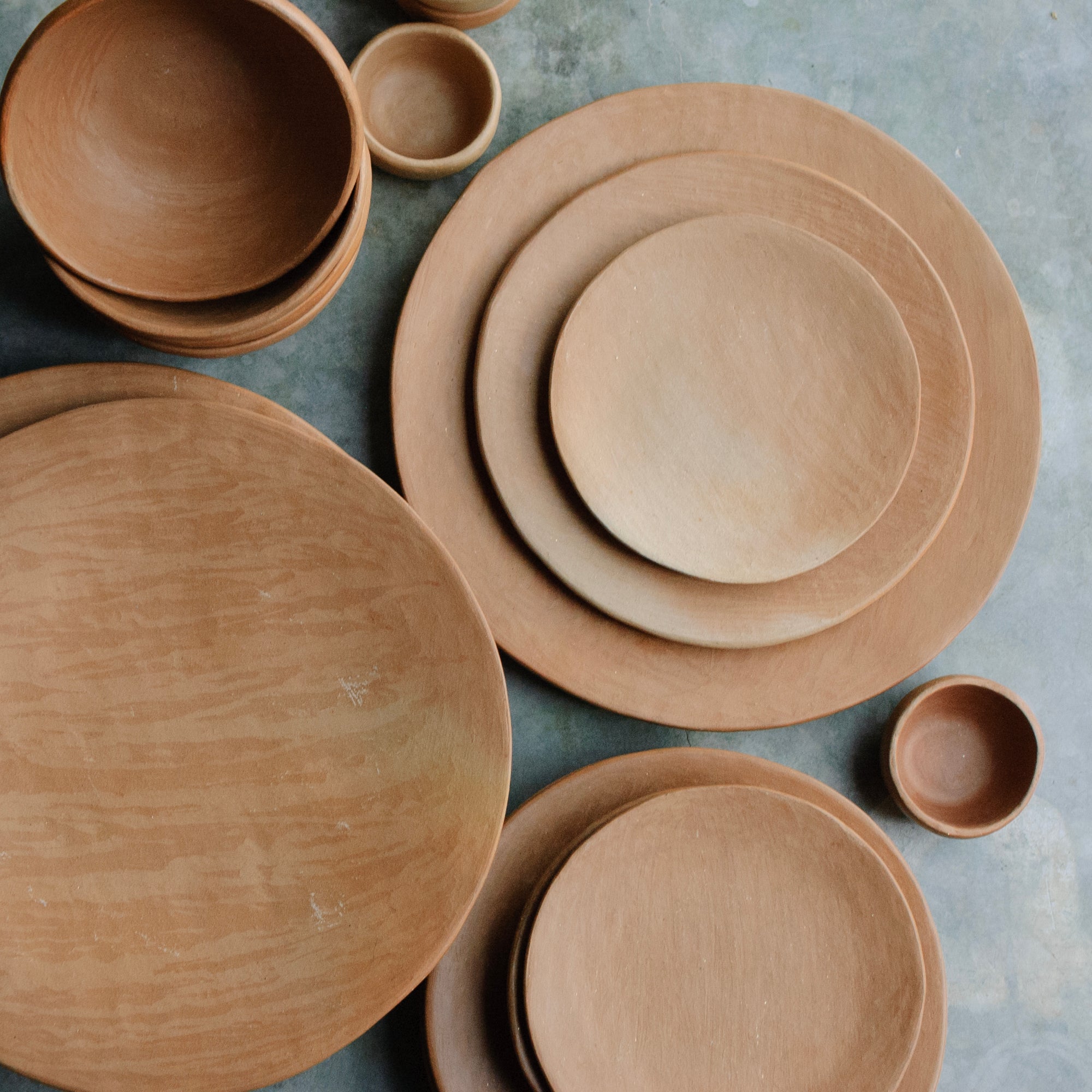
This fall, the collection is especially rooted in Oaxaca’s clay traditions. Across the state, local earth, firing and form give each community a language of its own.









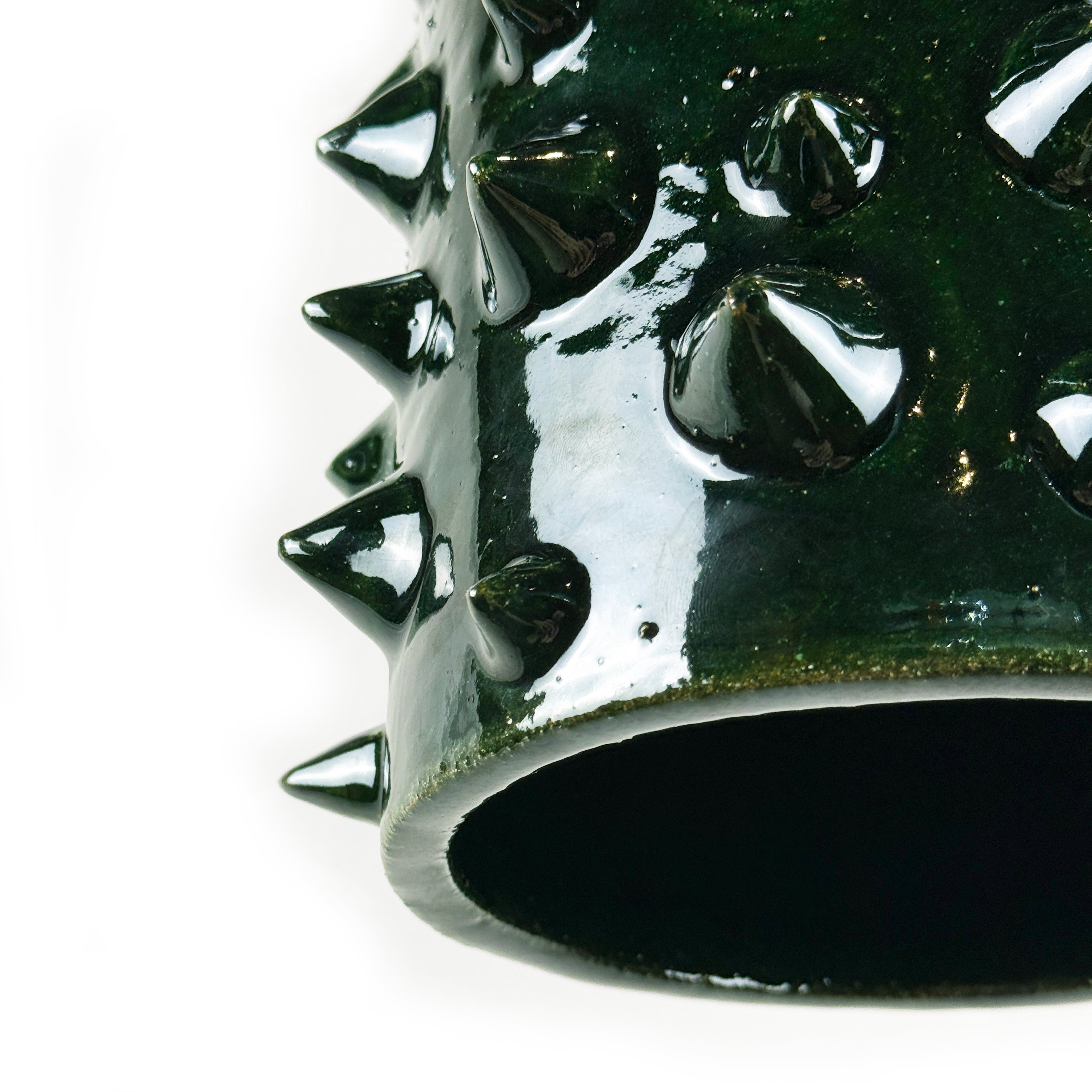
The tree, the etno-botanical garden and a lamp from Atzompa
I first understood the pochote during a private tour of the Jardín Etnobotánico de Oaxaca with a group of my students. Alejandro de Ávila, founding director of the Jardín and an anthropologist trained at UC Berkeley, stopped us in front of one of these extraordinary trees.
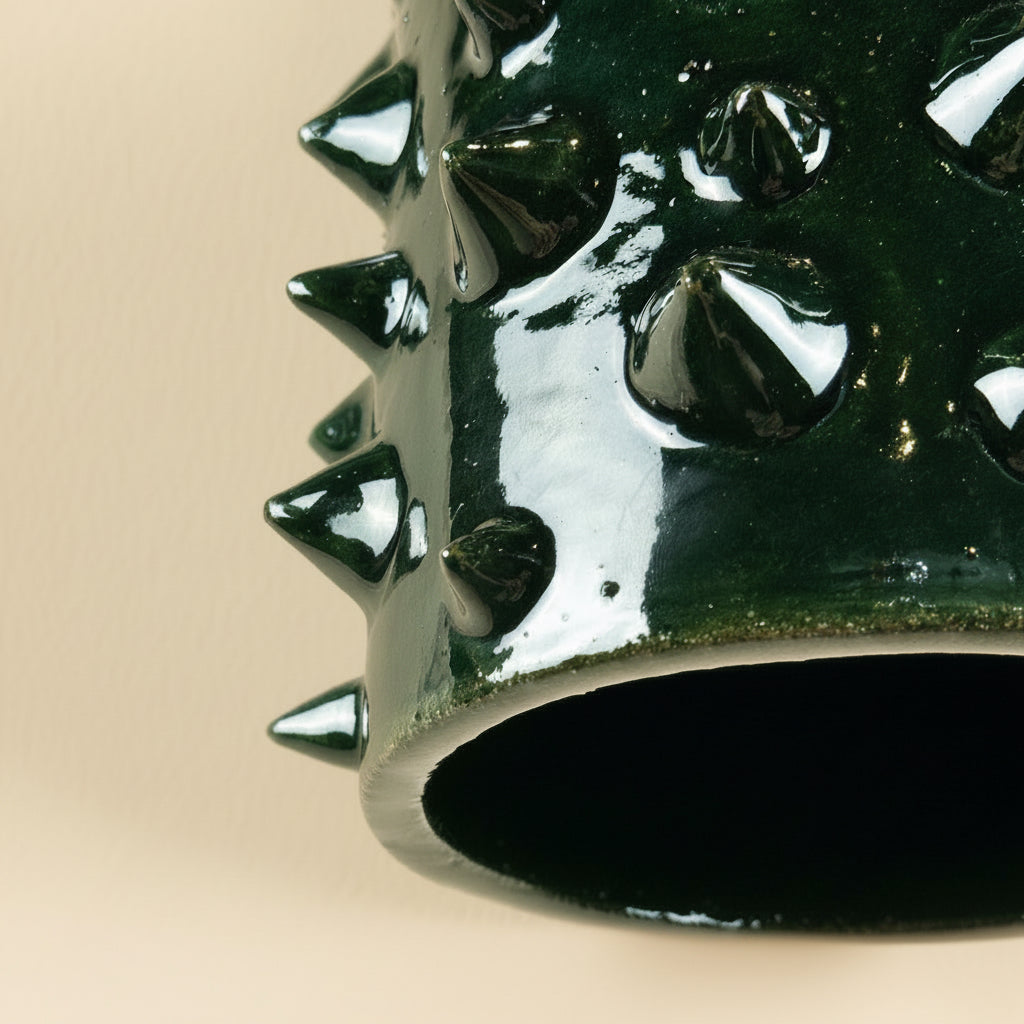
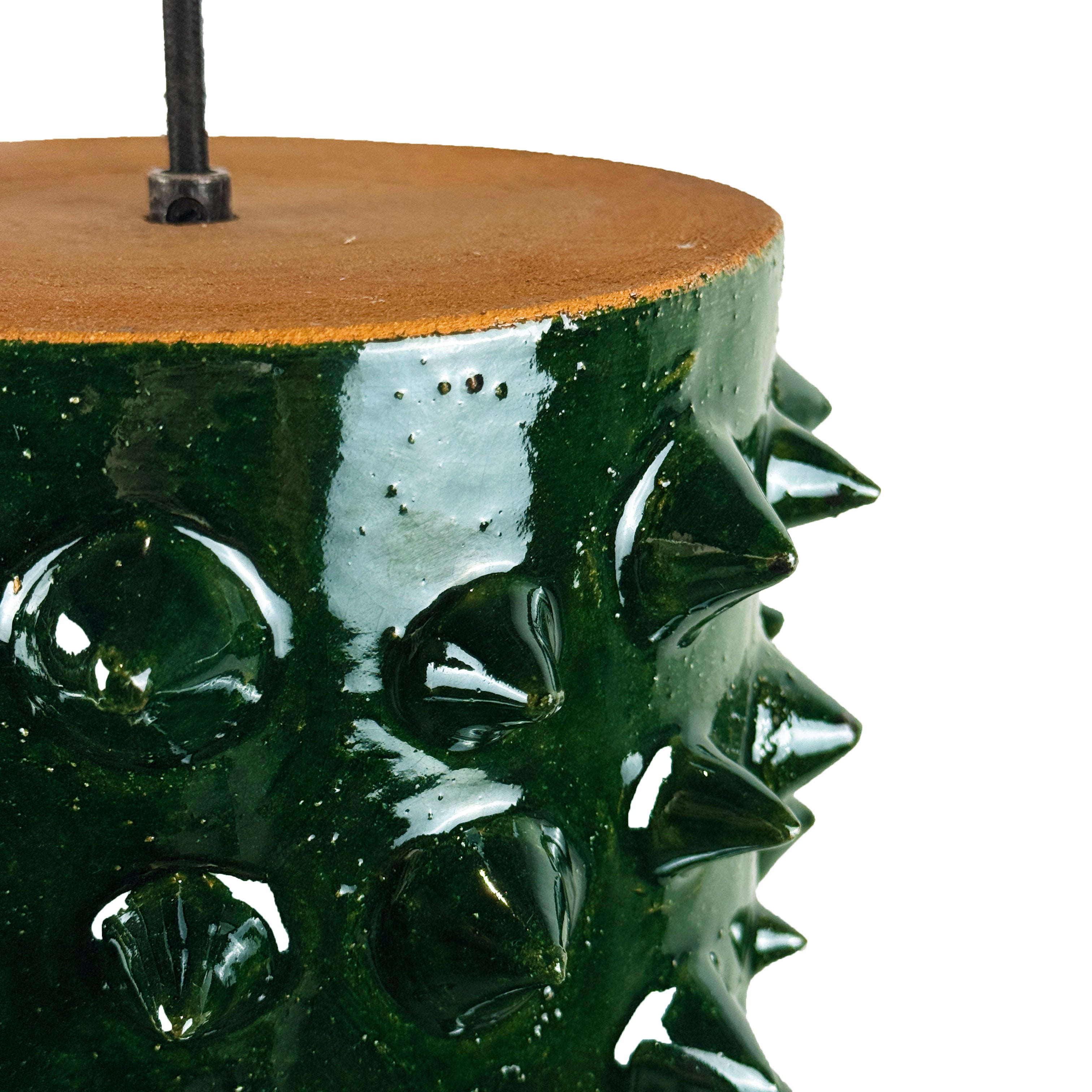
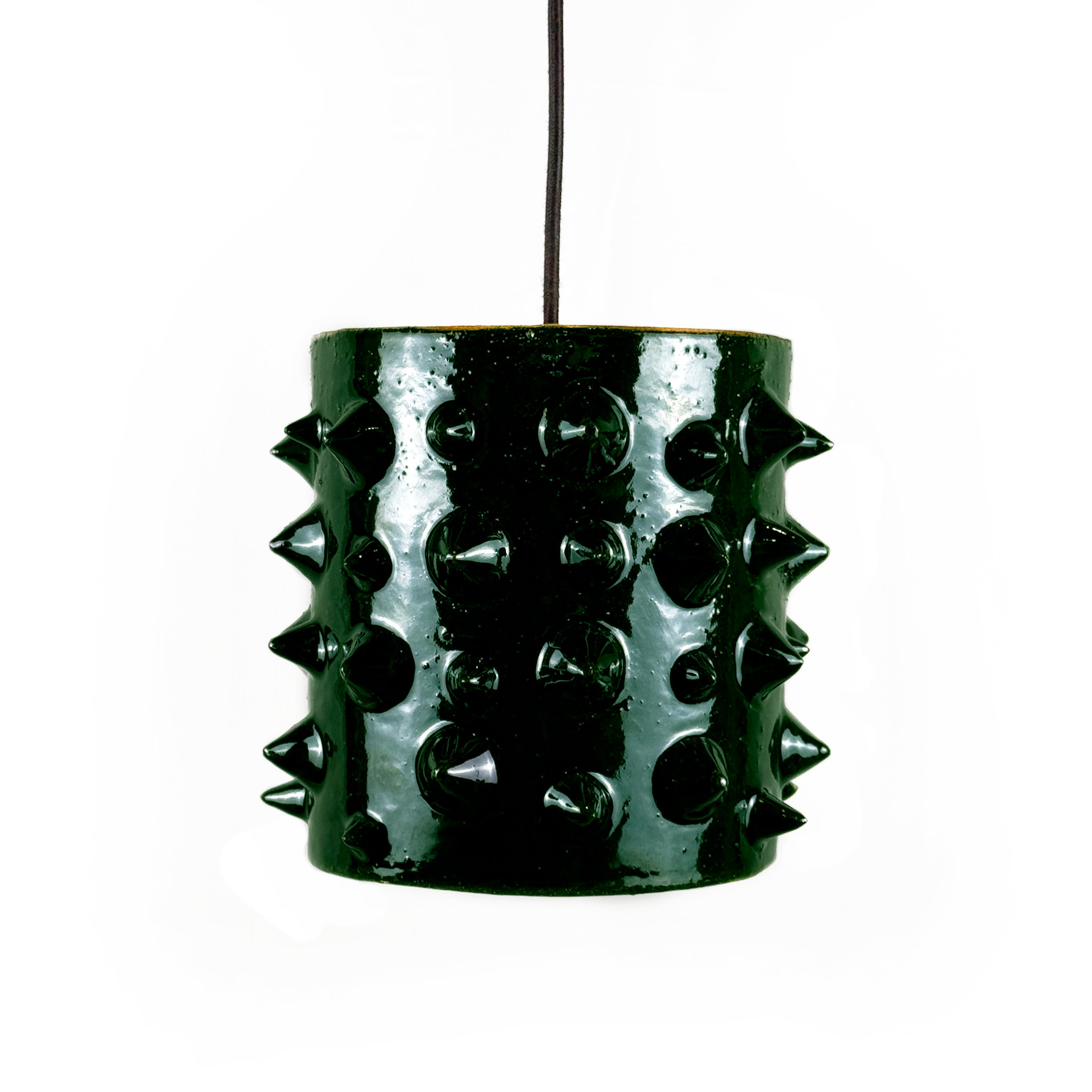
Its swollen, sculptural trunk is armored in enormous conical thorns. Alejandro explained that one theory traces them back to prehistoric times, when giant herbivores still roamed the Americas. The animals disappeared thousands of years ago. The pochote kept its armor.
That idea stayed with me.
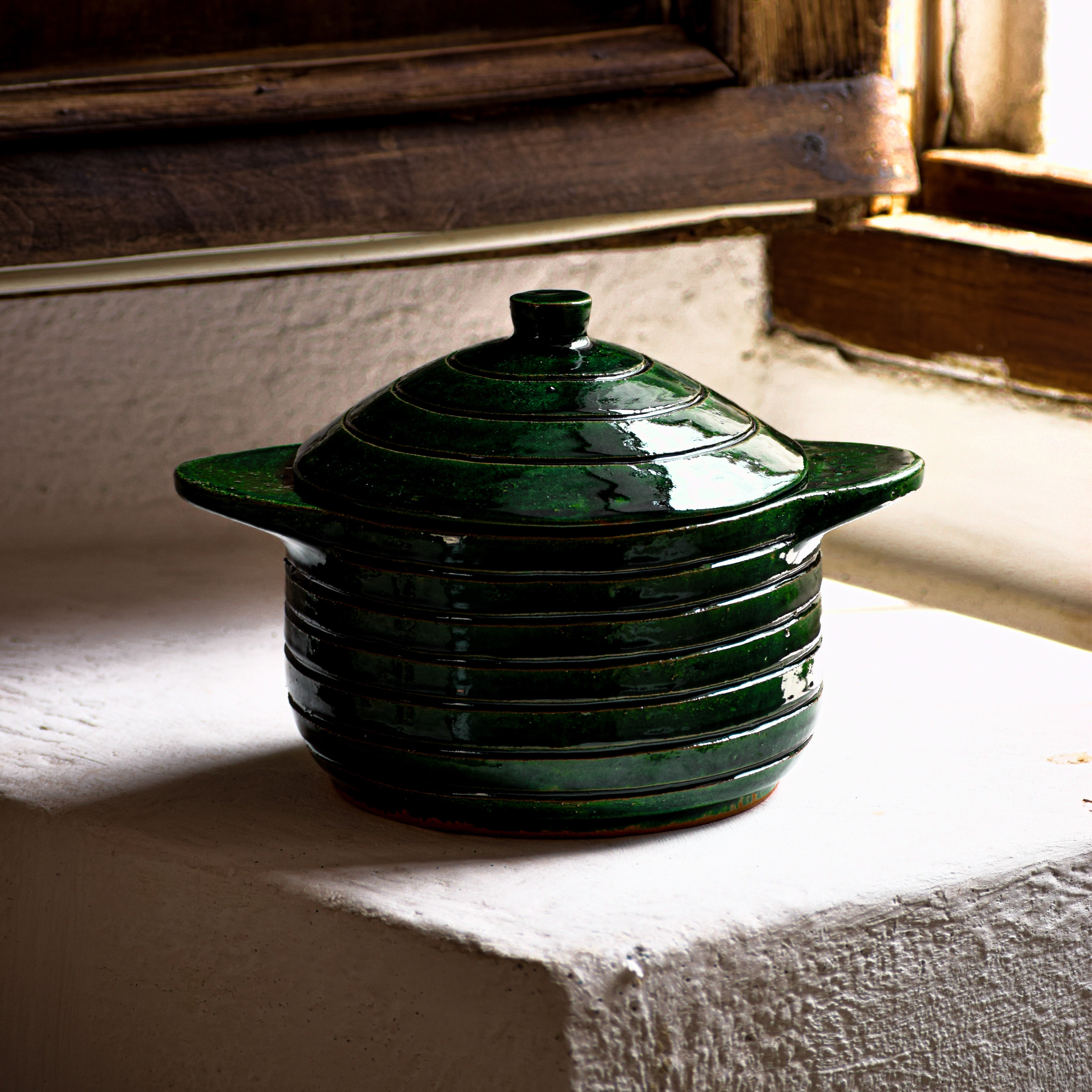
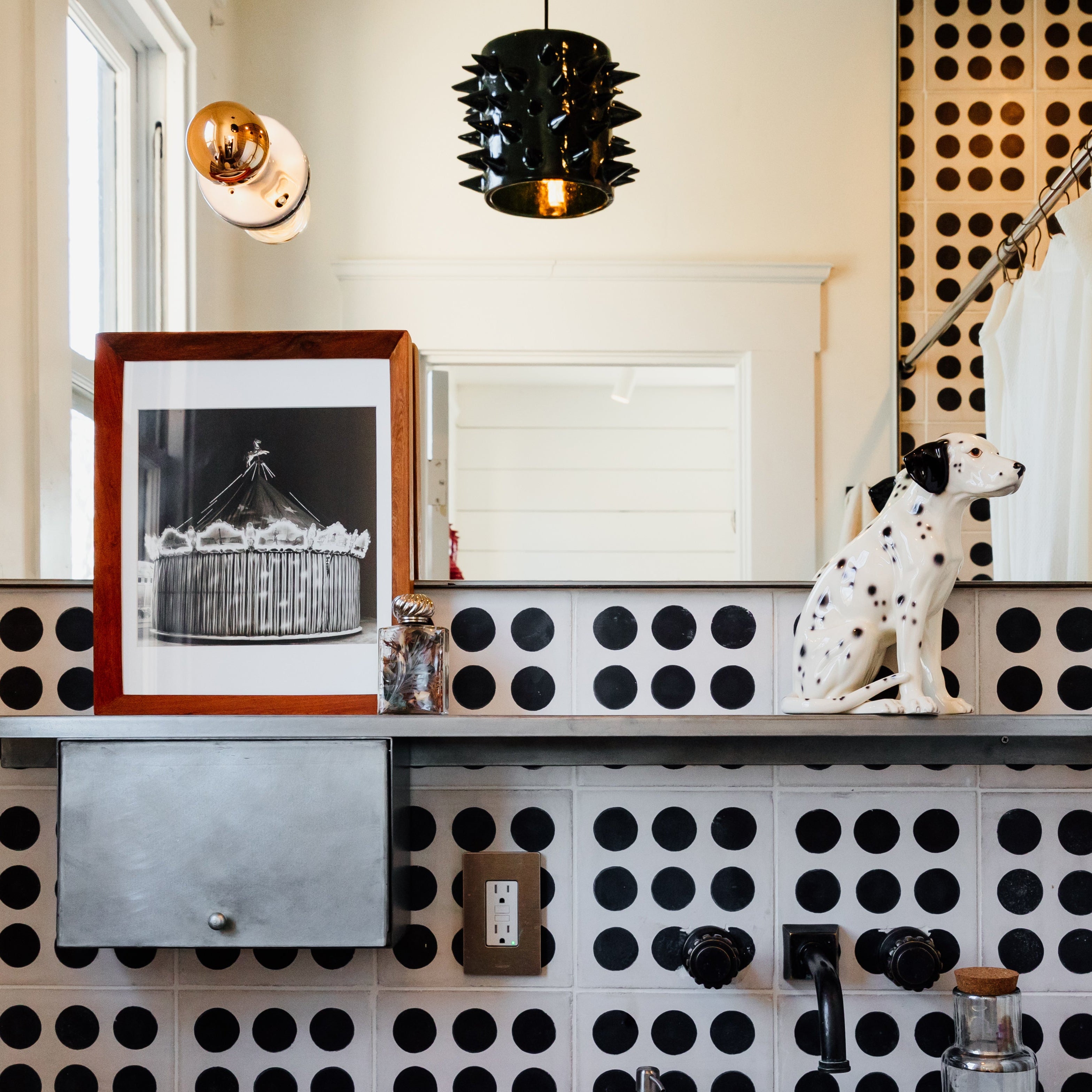
The Pochote Lamp grew from all of this. We translated the armored trunk into clay, exaggerating the thorns and finishing the surface in the deep green glaze of Santa María Atzompa. I particularly like the idea of turning such a fierce form into a source of light.
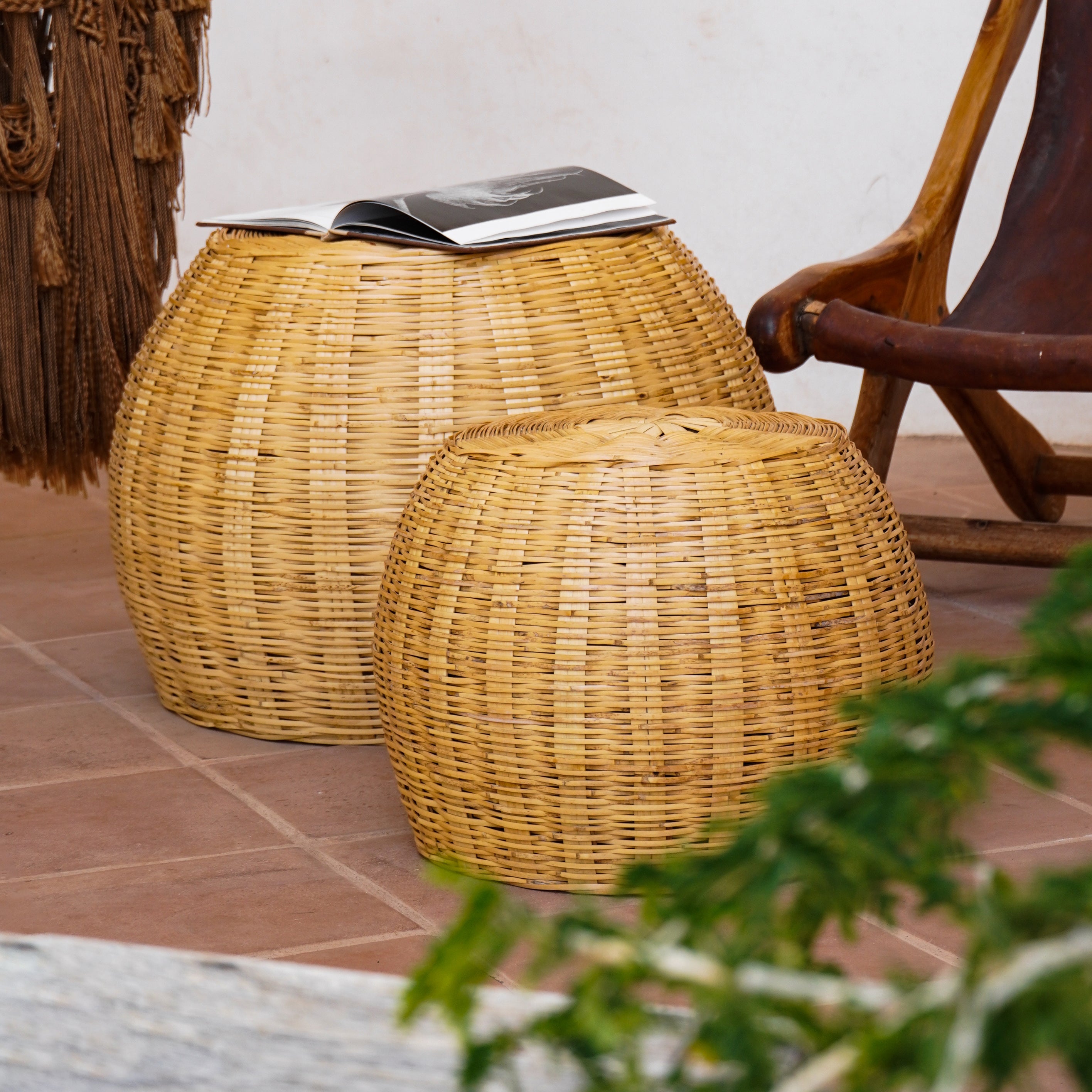
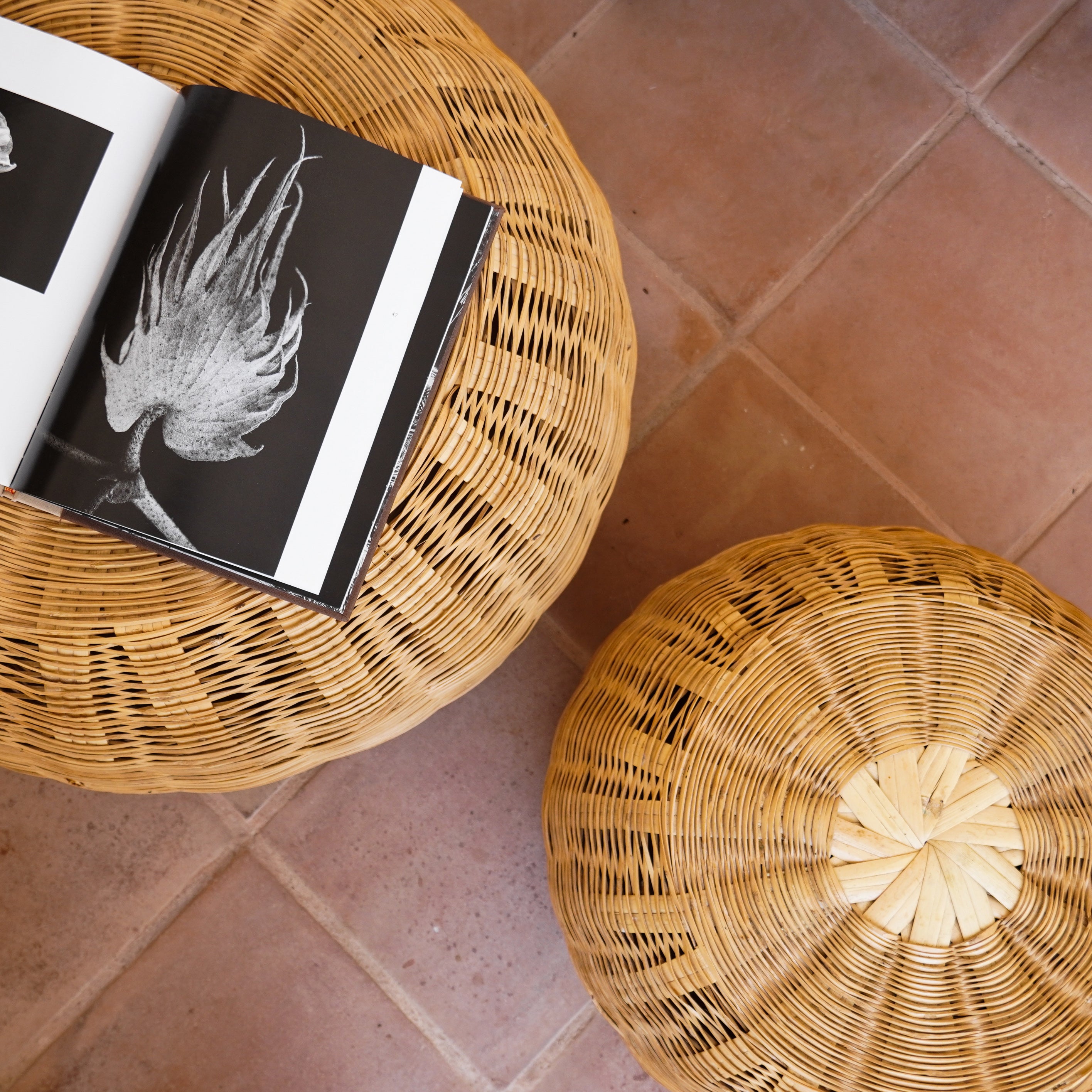
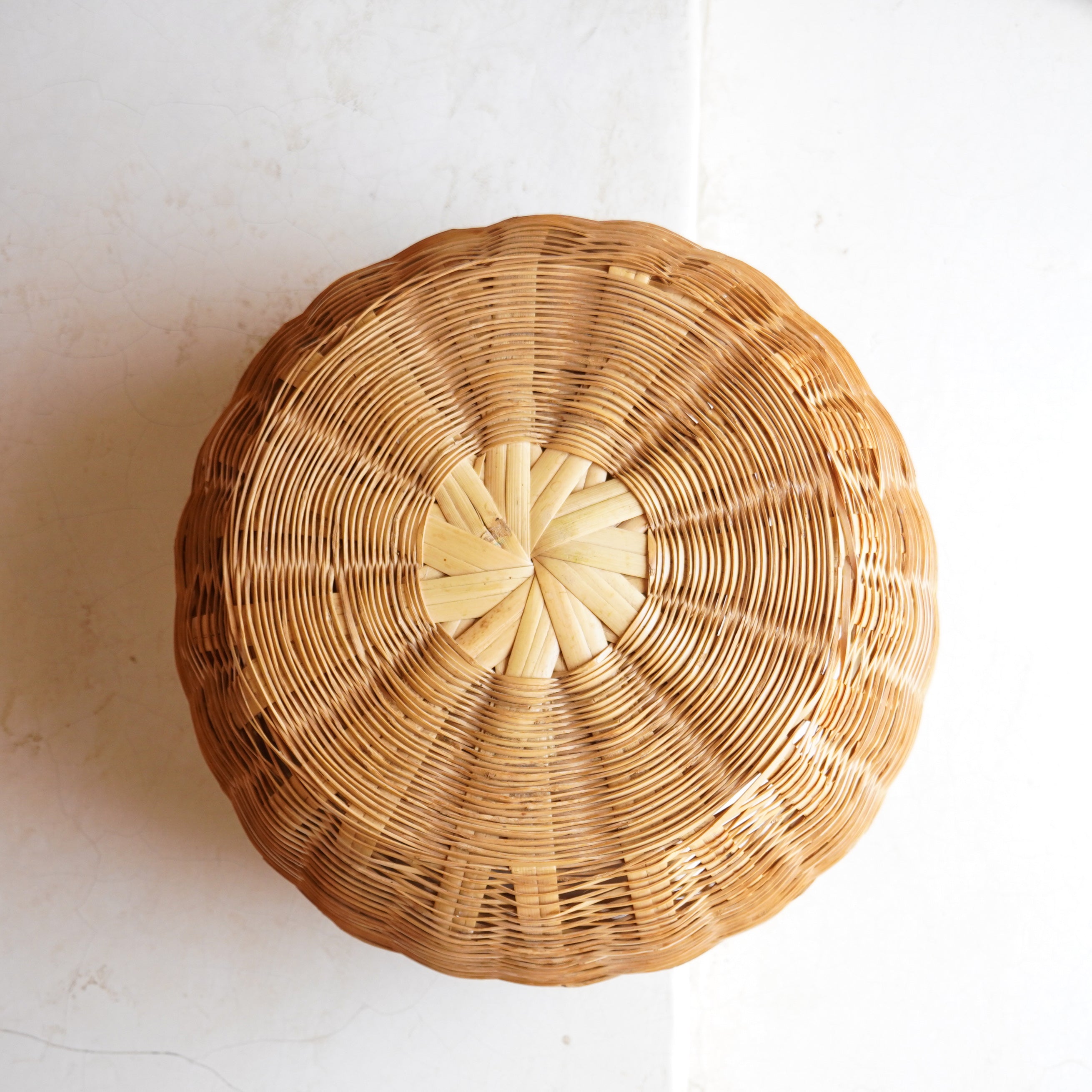
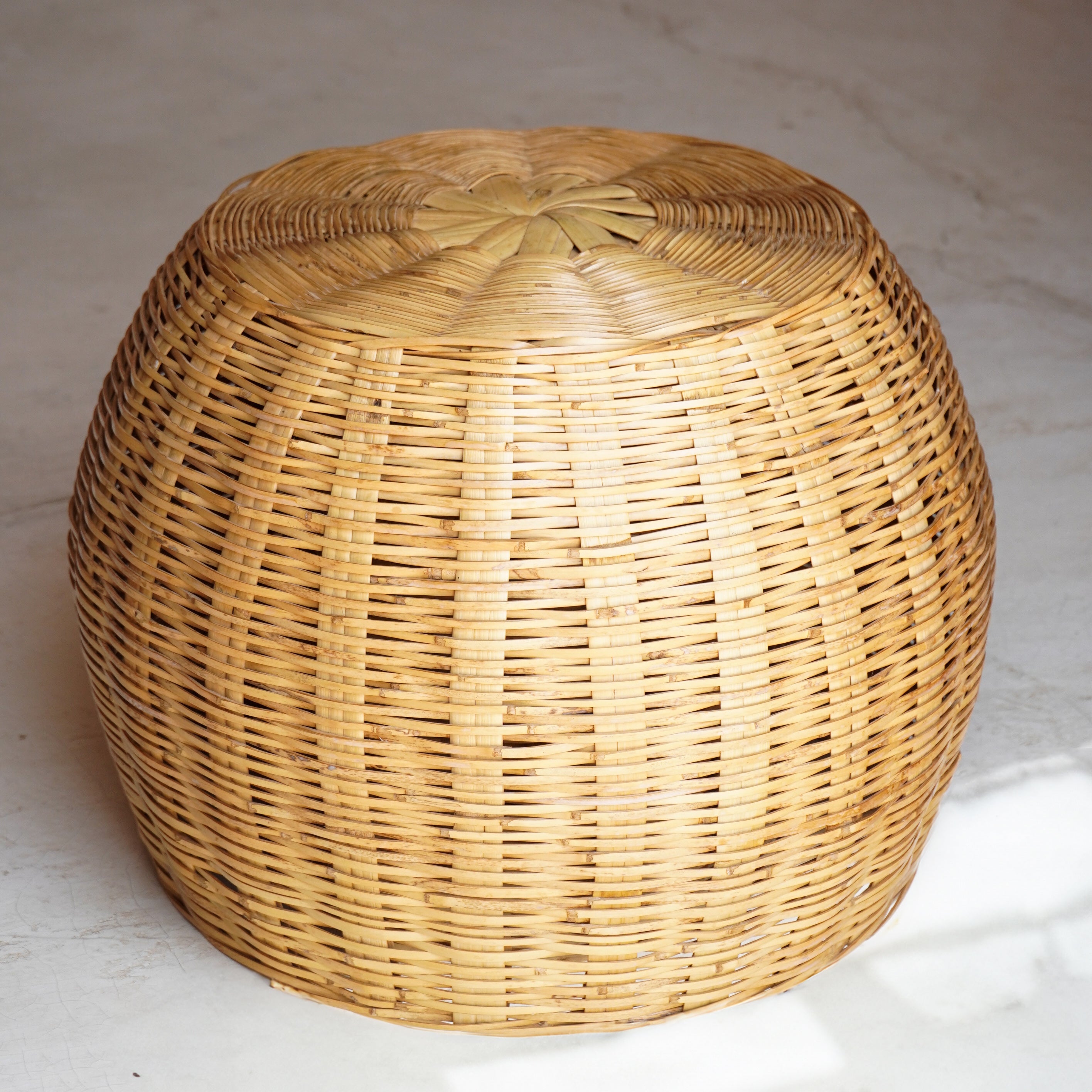
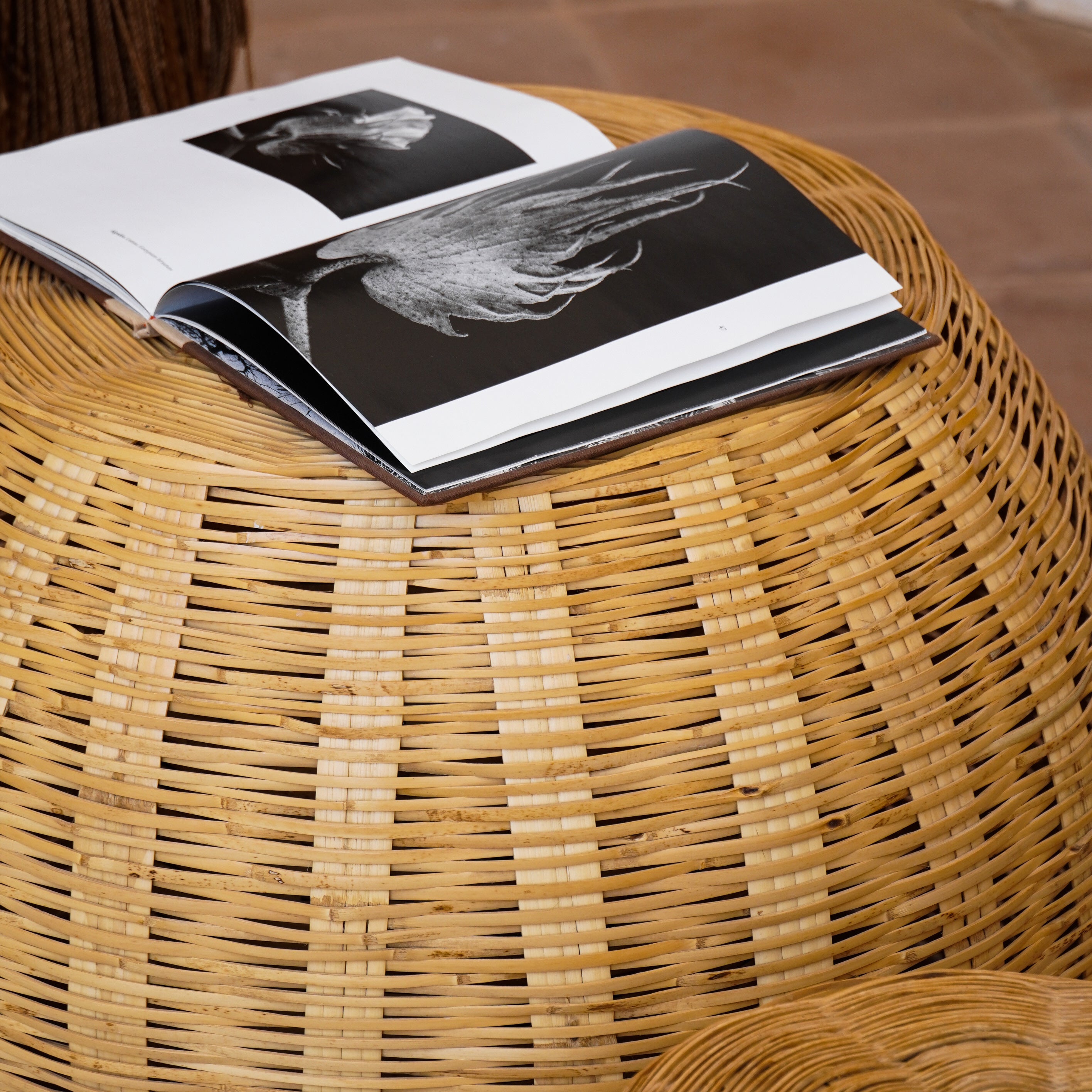
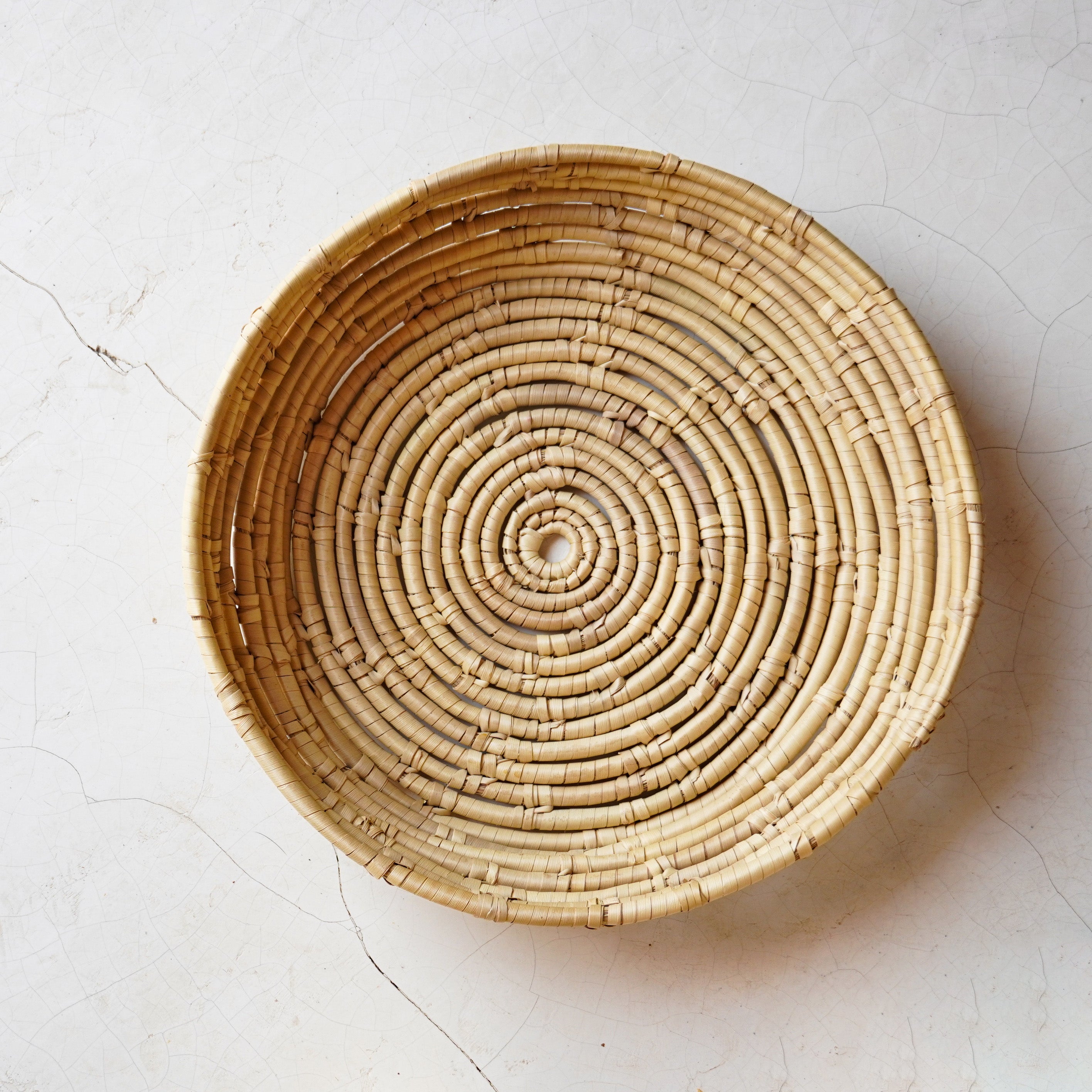
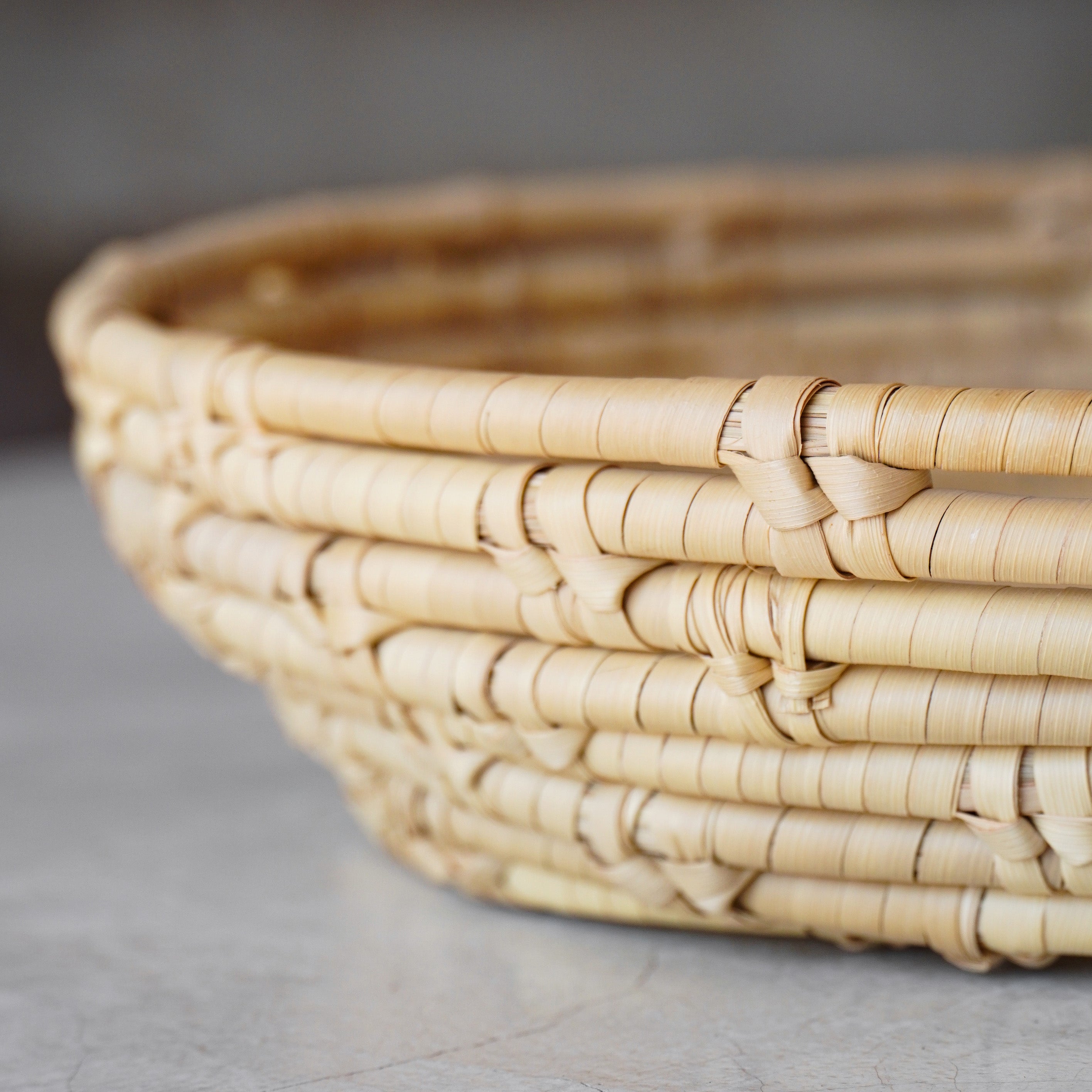
During a workshop at the home of an artisan, I asked for something stored up high. Without thinking, he turned one of his carrizo baskets upside down, stood on it, reached for what he needed and carried on.
We all stopped.
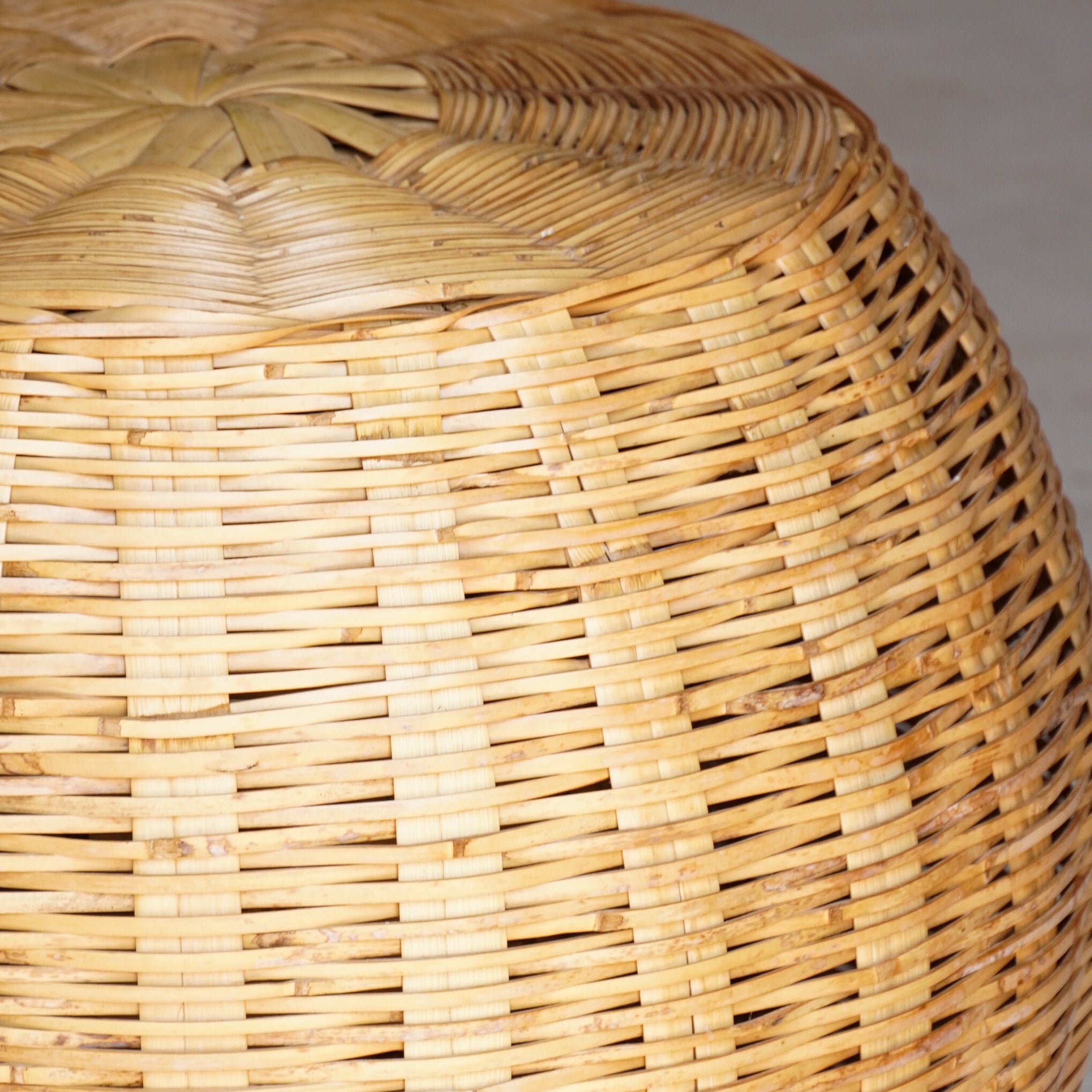
In that instant, we understood the strength of the piece for the first time. There is not a single bit of metal inside. The entire structure comes from the woven carrizo reed, making it remarkably strong and surprisingly light.
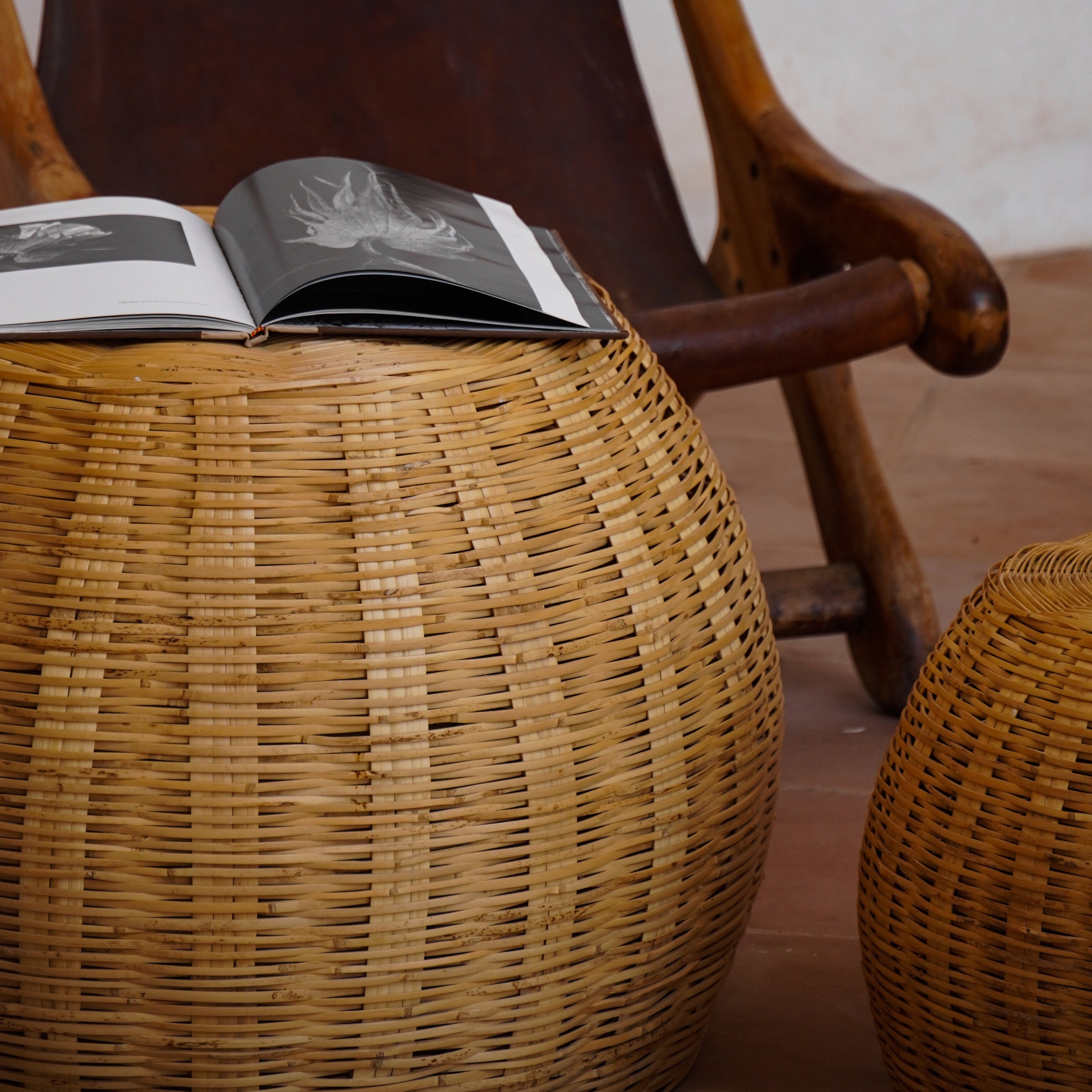
We named it Biznaga, after the round Mexican cactus its form recalls.
What began as a basket became a stool, side table and sculptural object. The piece was later featured in The New York Times and shown at the Denver Art Museum in Have a Seat: Mexican Chair Design Today, an exhibition devoted to contemporary Mexican seating.
A DAY IN O A X A C A
Explore more oaxaca